
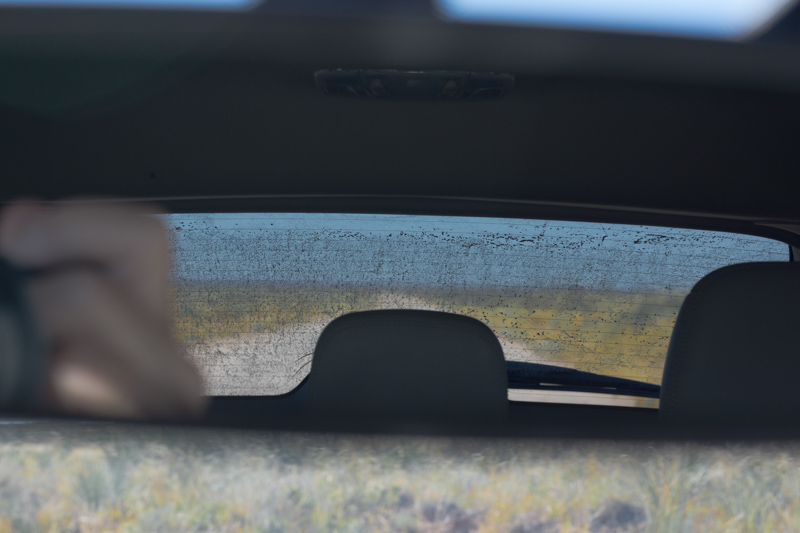
anywhere you go — drive in the areas I call 17miles, you find a dog … on the road.


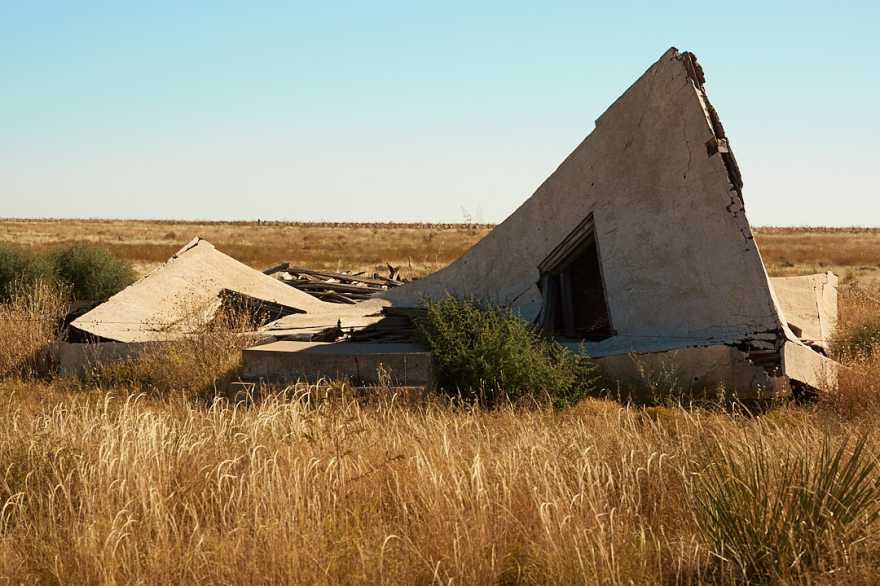
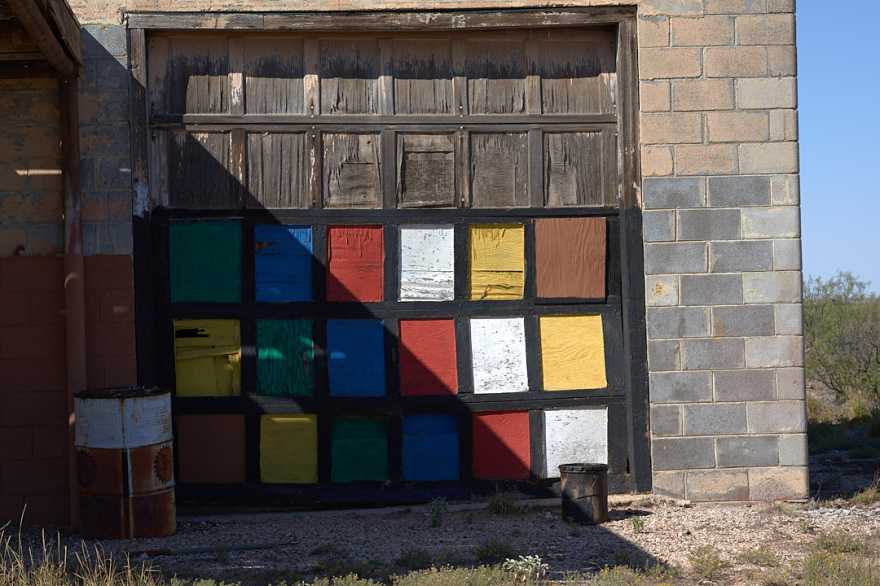
from Life on Location. ongoing, although slower going these days. Intermixed in this are some of the “glove” shots. More of those, after I finish my wonders about finding footsteps of others.
None of these are gold toned. They aren’t silver prints, they are digital to ink-on-paper.
Notes on Gold Toning for Blue color of Silver Gelatin (AgX) prints— side note:
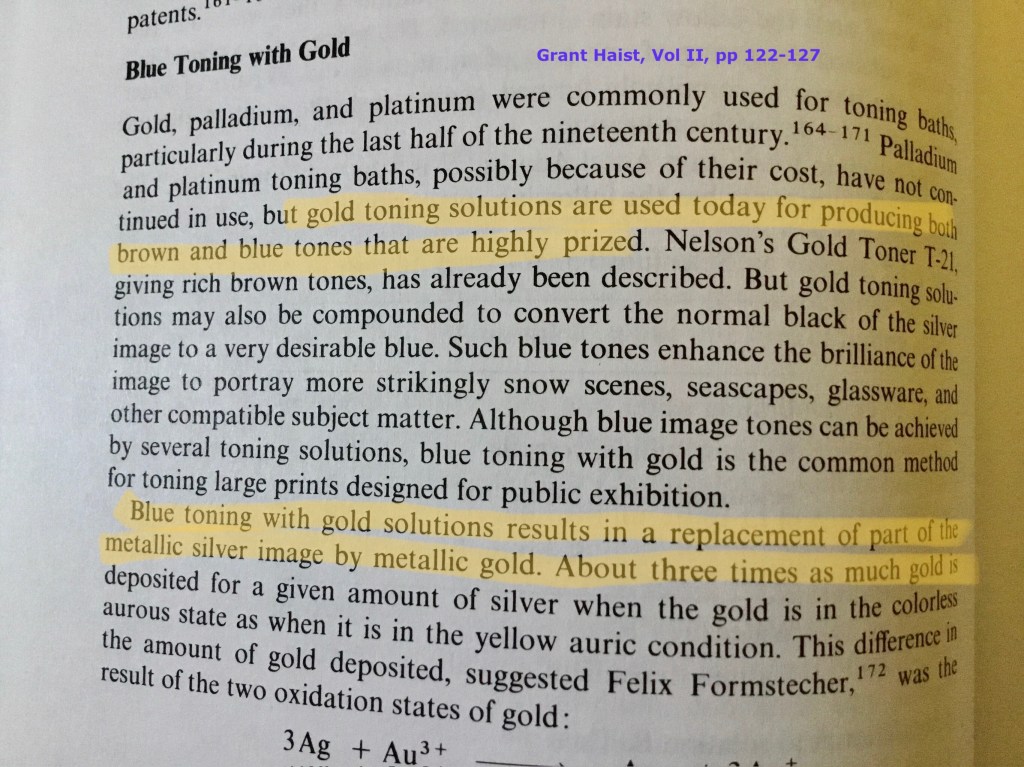
For those of you emphatically report that Gold toning isn’t blue.
“…blue toning with gold is the common method for toning large prints designed for public exhibitionl”
Maybe you should look outside your wading pool.
Update: I intended to post specifics of my 2005 tests about toning. Have decided that it is best to leave to those interested enough to request them. They formed the basis of my “digital toning” method/ palette. Armed with reflection and a reflection densitometer, inspection lights (two different colors) and you too will be able to make your conversion of chemical print to digital printing.
For those continuing their reading in chemical photography, the distinction between physical development and chemical development will widen your understanding of the nature of development (amplification of latent image).
References:
- James and Vaneslow, ” The Rate of Solution of Silver Halide Grains in a Developer,” PHot. Sci. and Tech., (11) 2:1935 (1955).
- James and Vaneselow, “The Role of Silver Halide Solvents in Practical Development,” PHot. Eng., 7:90 (1956).
- James and Vanselow, “The influence of the Developmet Mechanism on the Color and Morphology of Developed Silver,” Phot. Sci. and Eng., 1:104 (1958)
- G. C Farnell, “The Consequences of Solution Effects in Conventional Developers”, J. PHot. Sci., 21: 145 (1973)


One thought on “picture post: Dog Days”
Comments are closed.