
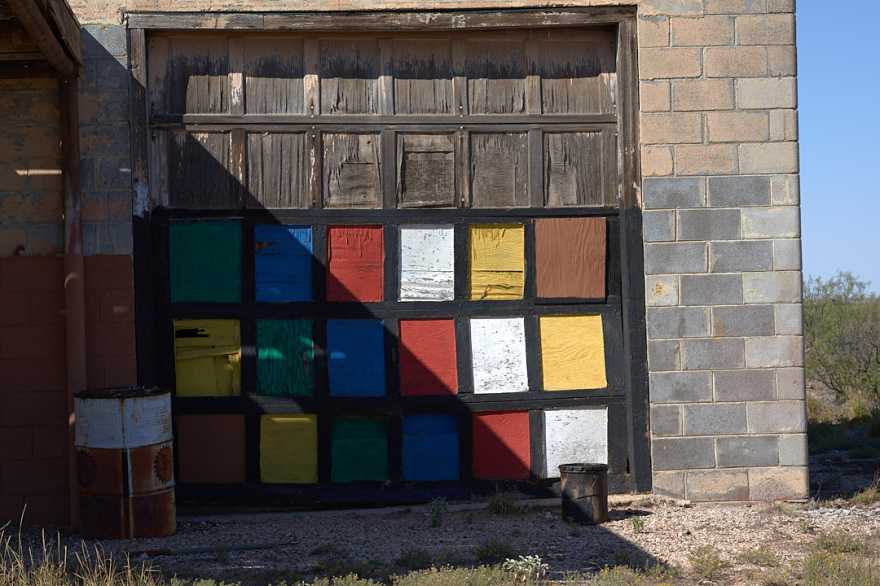
Yesterday, I made remarks about masking ; the early years of making masks, noting the aid that was given me
Dye transfer was easy, much easier than anyone talking about it now would make it seem. Why they make it a bigger deal than it was is probably in an effort to compound the value of their results; keeping you in their shadow. Of course, it wasn’t trivial, but it was something that a teenager could do in a small basement room after mere weeks of trial and error. Not more than 2 boxes of Matrix film before I was making prints.

To test my procedure I made, what today are called “targets,” — I made swatches of dye transfer dyes, photographing them, then printing. They matched! This was before color targets were a product. Kodak did have color guides, along with grey cards, which I probably used; now, I don’t any of those notes.
Anyone with access to a commercial photography store in the United States could buy Dye Transfer materials. That is no longer possible. That is the main reason “You Can’t Learn Dye Transfer.” Some people have had materials made — orthochromatic matrix emulsion is a small industrial chemistry effort for an emulsion company. It is, to some, a throw away technology. Even badly managed ‘pots’ will make good emulsion.
As new problems came to me from commercial clients, I gained new skills, but most of these skills repeated year after year. Variation of prior solutions.
They make it harder than it was, to make themselves better than they were. They proclaim a pride of process. Making it seem harder, made it less used. Kodak couldn’t be bothered by supporting it, neither did they want to sell the process, even under license.
Elsewhere I have written about how difficult it is for anyone to learn dye transfer printing … The key difference between my learning of photography and what I see as the proponents of the dark room arts, dark room world, is the amount of encouragement provided by everyone that ever I ran into. The first 15 years that I was printing was nothing but supportive. That is no longer the case. It may never have been the case amongst the hobbyists. They maybe have always been more competitive than the businessman. The commercial printers competed for clients, and when the clients were limited we actually just shuffled them amongst each other. Different clients gravitated towards different styles of business interaction, not necessarily the difference of the lab results.
Many labs made great work using the simplest of means. That is how I began. Energy, personal willingness to make mistakes without surrendering the drive to finish a print.
I held myself back more times than anyone else did. Initially, embarrassed that I wasn’t making dyes from slides, I declined work. There were enough referrals on color negatives. One time I went so far as having internegatives made from slides so that I could print them. At that point, it was time to make seps from transparencies. This was still my first year of printing.
There were times when I worked at three different labs in the same week. It would’ve been impossible for those labs to have had a secret from one another; I was the person carrying those secrets.
Reasons for the expansion of the skill claims needed for making a print seem to be based or are being made by people who are hobbyist or who had limited market success. They worked but they didn’t thrive. They were solo practitioners; they never had employees; they never had sufficient business success to hire employees. No matter what the reason for this limited success was, it was because of their personality. They just couldn’t do business. They didn’t want business, they didn’t like contacting people, they didn’t like interacting with people, or was it because people didn’t like the work that they produced?
Some two person labs did fine, making it into this century, lasting until their Kodak supplies were depleted.
Some people can write but they cannot teach and the very best written material that I’ve encountered was produced by people who have interacted with students; who have interacted with someone attempting to use the the written material.
Sometime I will write about OIC group.
Notes: The ColorChecker was introduced in a 1976 paper by McCamy, Marcus, and Davidson in the Journal of Applied Photographic Engineering. [
]

You must be logged in to post a comment.