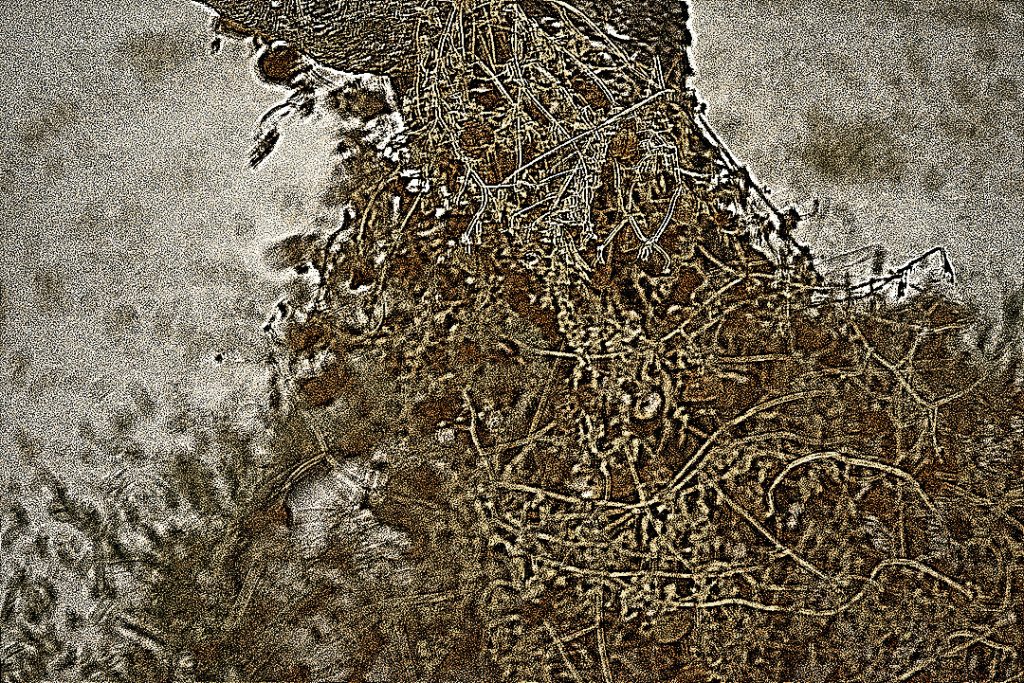
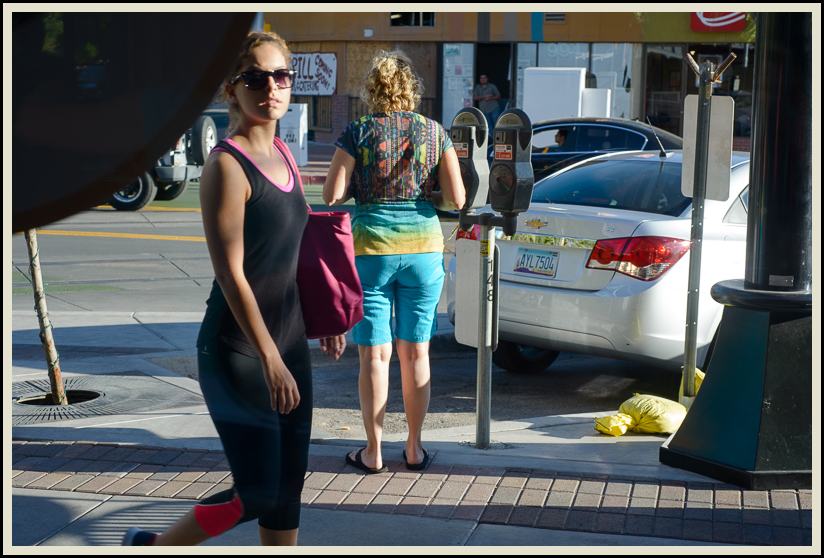
two pictures their meaning between them. meant for audience of one.
“A poem should not mean / But be.” MacLeish, Ars Poetica.
I stumble around, sometimes ,in the right direction the time comes along
2013, on the road. matching place overtime . The word, single word, “duet” suggests combination; some form of two. Standing still with soft eyes; my phrase from the 60s days, based upon the equestrian sense of riding a horse. Ride it with soft hands or hard. Different results, but then horses and terrain are different. If you can’t notice, don’t ride; you will choose wrong. At the SFAI, I talked about prints on the wall — variations in style of walking-looking. Be aware of your presence. You have a shadow; you aren’t one.
geometries or time . make the ‘or’ an ‘and’ ; geometries AND time. exposure and revealing .
The act of noticing. Action. la vie d’intérieur
Picking phrases that pick at me. One such: ‘they could calculate the exact mix of randomness and chaos..’
God moves the player and he, the piece.
What god behind God originates the scheme
Of dust and time and dream and agony? Borges (“The Game of Chess”)
[words proof diagram ]FOL, an abstract language.
flaneur / umsucht … The world is the collection of facts, not of things. — Ludwig Wittgenstein
Each is a half-open door …
not Iq84 ish… not two worlds-times in same space-place.. at least not that i knew before shuttering
An indirect reference item: “Gabriela Alemán has written a terrible and beautiful story about the delicate borders between what is known and what is invented, and about the places where intimate tragedy and the tragedies of history intersect.”—Yuri Herrera, author of Signs Preceding the End of the World
Is there any hope for the world? No, there’s too much work
PICTURE POSTs are additions to portfolio items. This is part of my 180s open-ended folios.
Picture Post. still walking. . People flinch. A told tale.. in Bless Your Heart Texas.
Into an elevator. Just three on our way down from 7th floor. At 6 a Texas Large gets on. Texans often talk, in effort to be friendly, friendlier than they want...
... so, they must exaggerate emotion.. like poor salesmen
Next stop... too many waiting.
Downward. Tex saying: wonder what we said...
Downward, again. This floor, a very thin male ... hesitates.. Tex opens: Come on in, you're skinny enough. We can make room.

He gets into the elevator. Hesitates, a few moments, then turns around, pulling his shirt up, saying: Thin is what happens when you have all this...
Scars. Tubes. Surgical ports.

The last two floors the elevator sounds cover Tex.











You must be logged in to post a comment.