
can you name your influences. How about those you’ve influenced? something all teachers consider.
Mostly, we don’t make a difference that we ever realize. The spoken word ends as it begins.
Claims on forums are a source of ongoing puzzlement. Photography is a small world, isolated but not insulated. The web is just a right-click away. Pride is a terrible memory aide.
Most teachers don’t remember their students well — students are expected to remember some of their teachers. Typically, they remember those who guided well, or who they needed for a career boost. If the teacher had a name, was a member of the canon, they are always listed on the memory page.
What of those students who don’t list you on their extensive friend circle. I wonder more about a teacher citing their student as a badge in their influence-quest. It happens on one forum.
Like this:
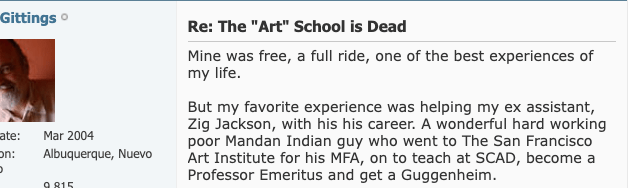
Zig Jackson is cited…
Zig Jackson provides a page of people.
Many…. no Gittings. Not even a Kirk.
This doesn’t mean as much as other types of errors made in that forum.
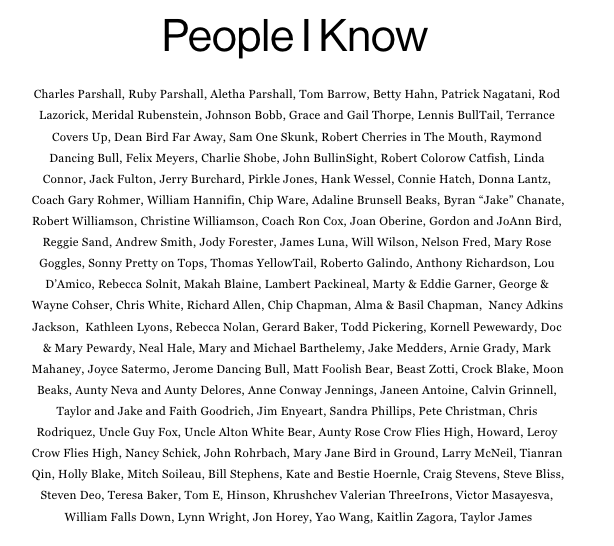
Overlaps occur. Gaps are certain. I graduated from SFAI. Was a TA and knew many of those Mr. Jackson cites in:

.. none of those people influenced my work. I knew them when they had just begun their own career, leaving SFAI (MFA) 73. I left several unsigned papers on making dye-transfer prints. They found their way into other peoples work. None of my students ever looked to me, other than at times they needed a job, or a reference.
as one of my bigger influencers says: and so it goes.
Most of my key, ongoing, recurring influences sit on shelves in my library. I will never thank most of them; ever.


You must be logged in to post a comment.