Picture This

filmfriday. Imagining beauty. Is it in what you do, how you do it… is it out there. Can you pass the test of expectation of others. Can they pass your test.

Beauty is their approach. It is a flower. It is Flower. Delicate, transparent, easily broken, fluid, feminine, even in the Hasselblad hands of a man. Judgement is easy. Is it like the original. Likeness is the metric of value, craft skill is reprographic fidelity.

Dye transfer, as a printing process, is capable of working both ends of the density curve: highlights and shadows. Most processes can work the highlight end; that is given by the paper. White. Being able to differentiate small variation in light tones is what a simple, early stage, dye printer fails to achieve… glassware was the hallmark of the better printer. Glass and foam paid well.

Dye prints shadows very easily. Saturation comes as first steps. This the space that most all dye transfer printers worked within. The casual printer always showed their deep, dark prints.

[see: dye transfer isn’t photography ] — pink24

My time in the dye transfer cage provided me contact with many, each having their context. Most clients of dye labs have similar goals, which were quite small. Narrow even. Even though the work of hand-labs couldn’t be automated, it had to be repeatable, at times seemingly repetitious.

I made my first prints around 1958. They were from color negatives — I used Kodak Pan Matrix Film. Eventually, about a year later, I was making direct separations; hand retouching them, and making prints from those using Matrix film ( the ortho stuff). I would have seen work by commercial photographers. The texts I used were from Kodak, DuPont, Curtis … the manufacturer literature. My enlightenment came from Outerbridge’s book, in which he discussed masking by retouching.

Some few years later, I contacted Kodak with questions. I was still in High School. but I had a clients who didn’t know I was using a bank account opened by my mother.

… and so it goes.

One Picture More

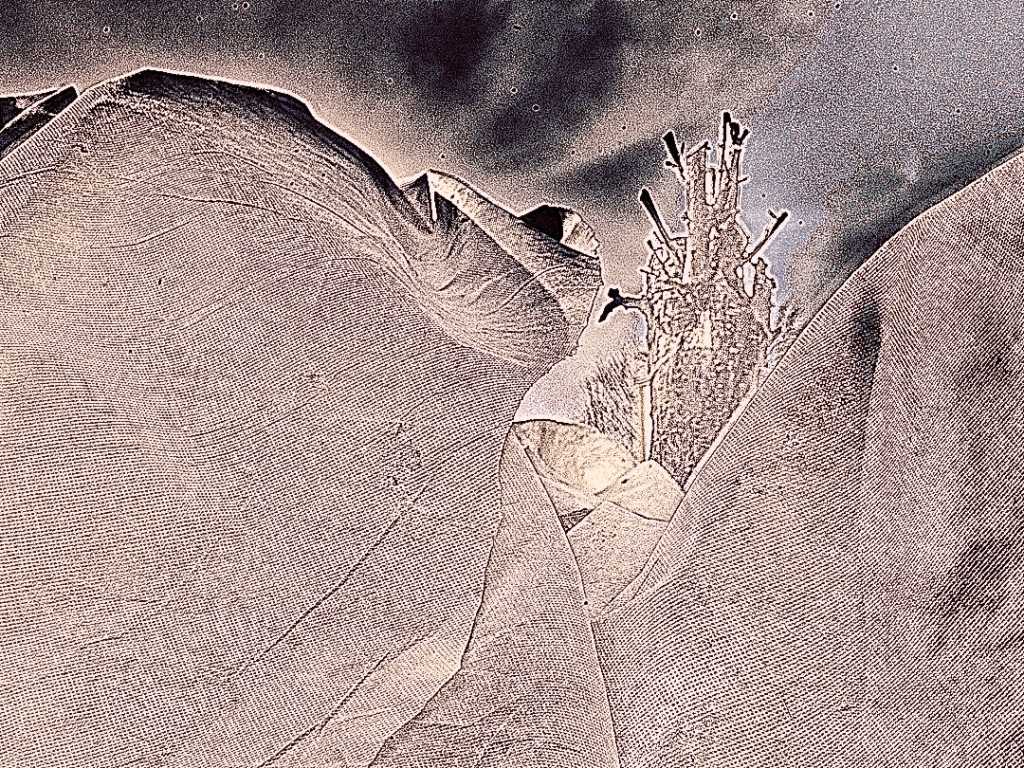
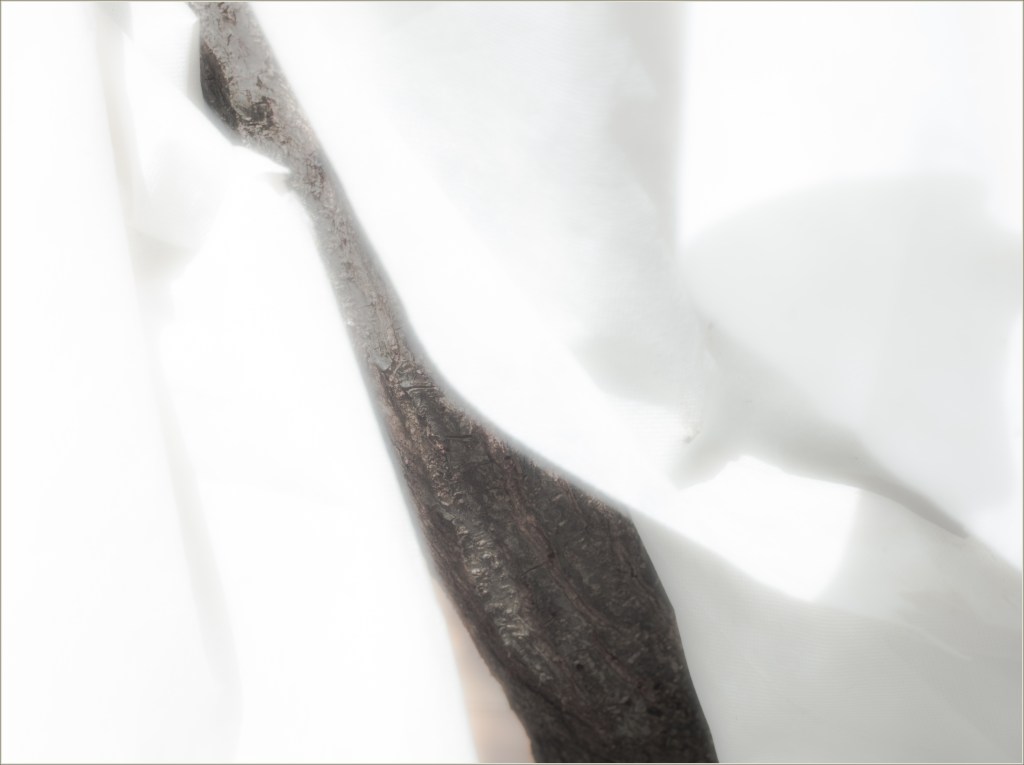
Making across picture manners. consider this a continuation of my recent “Picture Post” .. the images in that, with this additional, are from the same situation, bounded by the same initial consideration. My prompt was the same. In that PP, I consider only the first points of making a picture. Often, that is enough. The first place is the last place.

Subjects have powers — these come from their prior treatment, by the naive consumer, the amateur producer and the needs of the driven “by any other means.”

conceptual work has no shadow; is without dimension.

These are two variations on simple structural relations. This [oct22,23] is a first rendering. Rather than make added posts, I will add to this post.

[this method has become my revised mode of postings … add to existing. ]

I won’t be writing about the “how” they are done… I am reminded of a conversation with John Orentlicher: my position on answering didn’t go well for my time at EXS. [To John Orentlicher ( or liquor) because it makes it more powerful to me and I have no interest in translating them; spending my life as a translator of rather than an author of. My first react comment to him was: That’s a question I’d expect of a student, not the head of the department. — I didn’t make tenure track… and so it goes.]

Added Monday Oct 24–> heading along the edges