Kodak RA-4 Paper

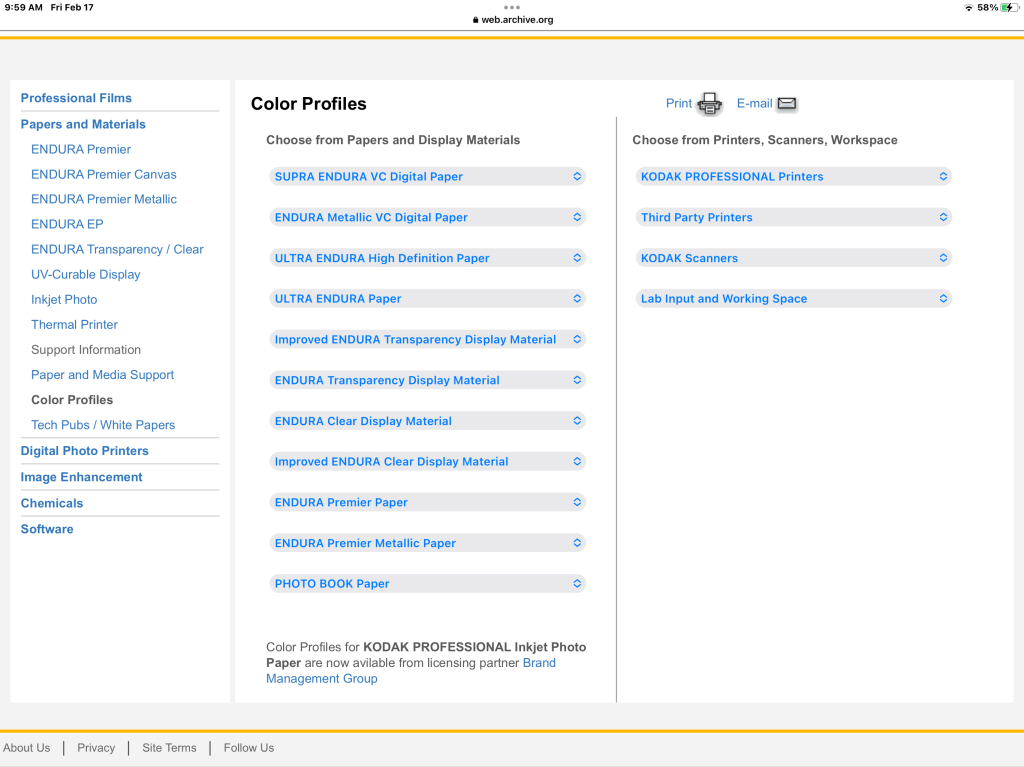
The digital RA-4 paper notes. Endura in 2013 included printing in darkroom. 2019, no such advise. See the calibration routines for setting your digital printer. I don’t know that any of these papers are sold in 2023. The world, especially in non-western countries, is rapidly moving from wet-lab to dry-lab imaging.
The “analog resurgence” is a thing in major metropolitan areas, but a thing for 35mm film. Along with this bounce has come a demand for scanning; a demand so strong that premiums are being paid for scavenged “scan heads” of minilab equipment.

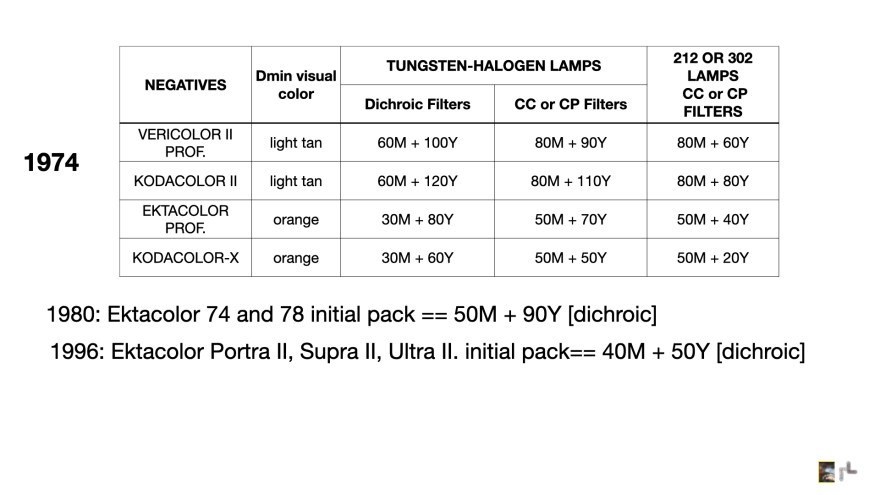
Of note should be the filtration recommended for Kodak Endura Premier paper. A white-light starting pack of 40M+50Y, or a Tricolor filter set of 25,99,47B … Don’t forget — still recommended are IR and UV filters (B).

From the datasheets you could build upon your Rosetta of process procedures.
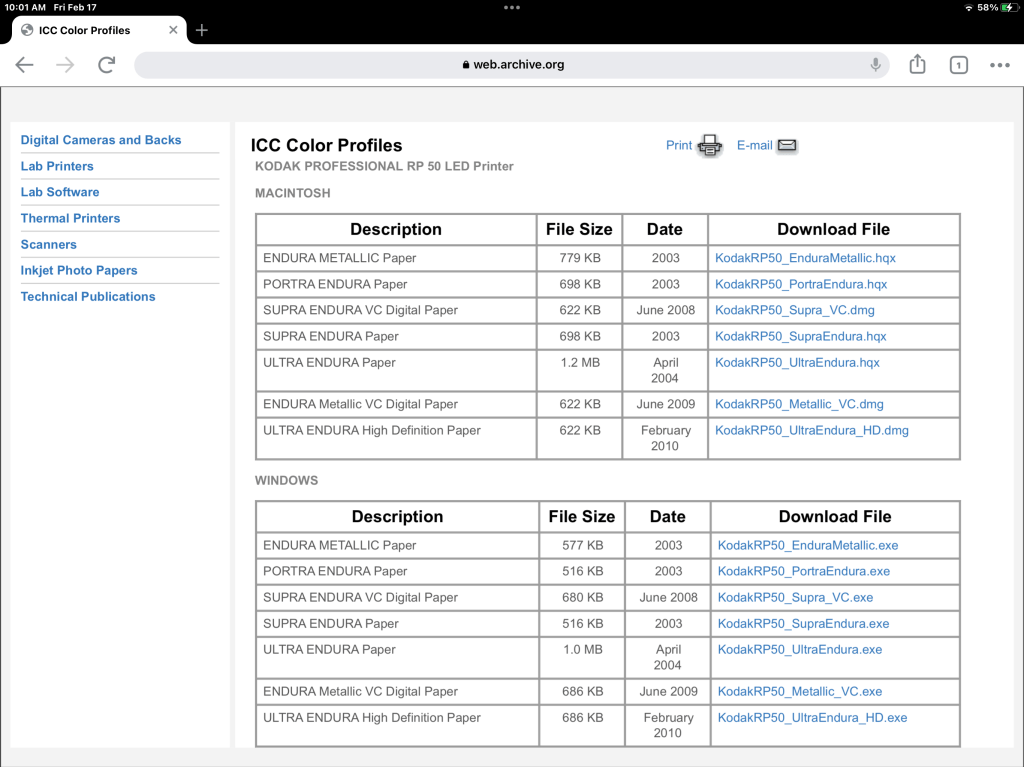
Profiles provided by Kodak give you an indication of what products have been made, but not what is current product.

Kodak’s LED Digital Color Printer model 20O/R can be controlled from within Photoshop. Yes, Kodak made LED printers, no matter what the Forgotten of Foradum say. It also suggests that calibration of LED printer is possible for at least one Kodak RA-4 paper.

Of course, ZBE’s Chromira is a long standing LED printer used by many US West-Coast labs.

http://www.zbe.com/usergroups/files/products/chromiraprolab/manual/ChromiraProLabUsersGuide_v1.pdf

overnights: 12.21.22

another day of snobby hobbies in which they trump each others experience with their theory. basically, they complain that they weren’t consulted before the person proceeded to built something. Too bad the builder showed it on their net-forum. I understand the builder was proud. Bringing back their memories of 60 years ago. Even, perhaps, routing traffic to their YouTube Channel.

who knows… motives always are overlapping functions.


another sample: an original Lomo effect –edge fog, light leaks during exposure of the plastic back camera. Film fog on edges, making fingers of light, flare of plastic lens, over-exposed highlights — all these. This is the fundamental of the school of making do with the basic camera to learn to see without the camera– that was part of the Diana age that was recovered in the Lomo revival of film. The imperfection as affirmation of something other.

Anyhow, the amateur cameras and chemical club sees these as chemical effects. So be it. They have discovered brush development. Ferricyanide (oh my, that is dangerous they opine; they fear — too bad they don’t know)

Too bad they don’t know Eugene Smith, along with many others, used overprinting and bleach back regularly. Chapters in books; handouts from Emulsion Companies.


As well: perpetual need to make pigment prints with partial knowledge.

Notice the ongoing threads: partial knowledge, gathered together to support and sustain a dominate opinion. Reads like talk-radio.


try before deny
/ koraks and the soft brag
they know more than they do
seeing the way of film

... ektar /photrio thread\\\ granting permission from the back office of soft woods
Well, you're not too hot on electrical engineering, and I happen to have no interest in sports, so I think we can call it even.

Improvement:
https://www.quora.com/How-does-a-single-LED-light-glow-in-multiple-colours
A Study on the Alternative Process for the Toxicity Print: of Gum Bichromate 4-Color Gelatin Pigment Process using DAS