Hollis Frampton

Hollis William Frampton, Jr. (March 11, 1936 – March 30, 1984) Frampton died of cancer on March 30, 1984, a few weeks after his 48th birthday. I’ve missed him for over 38 years.

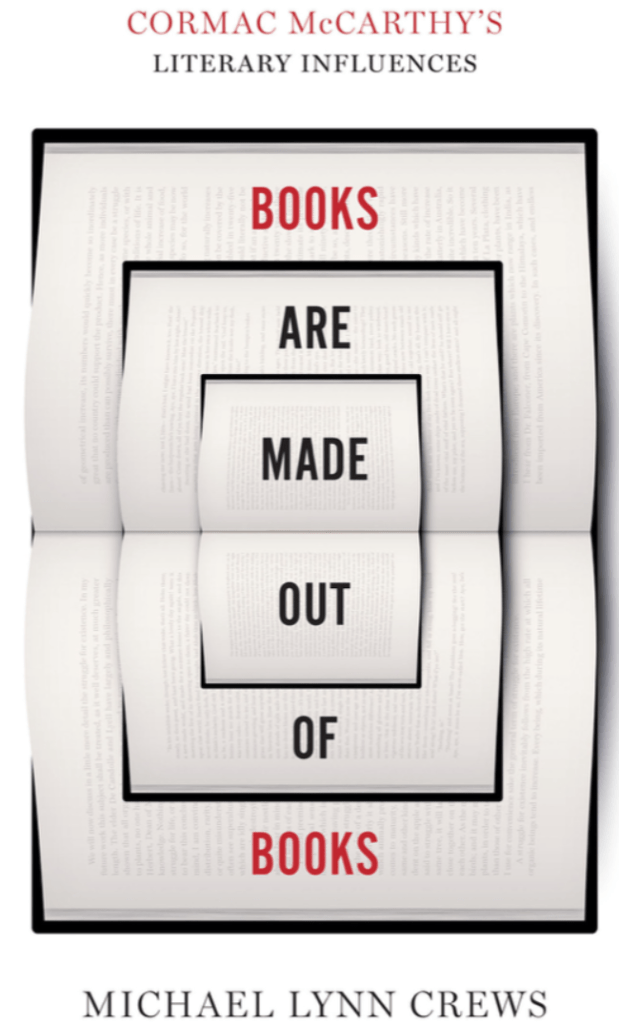
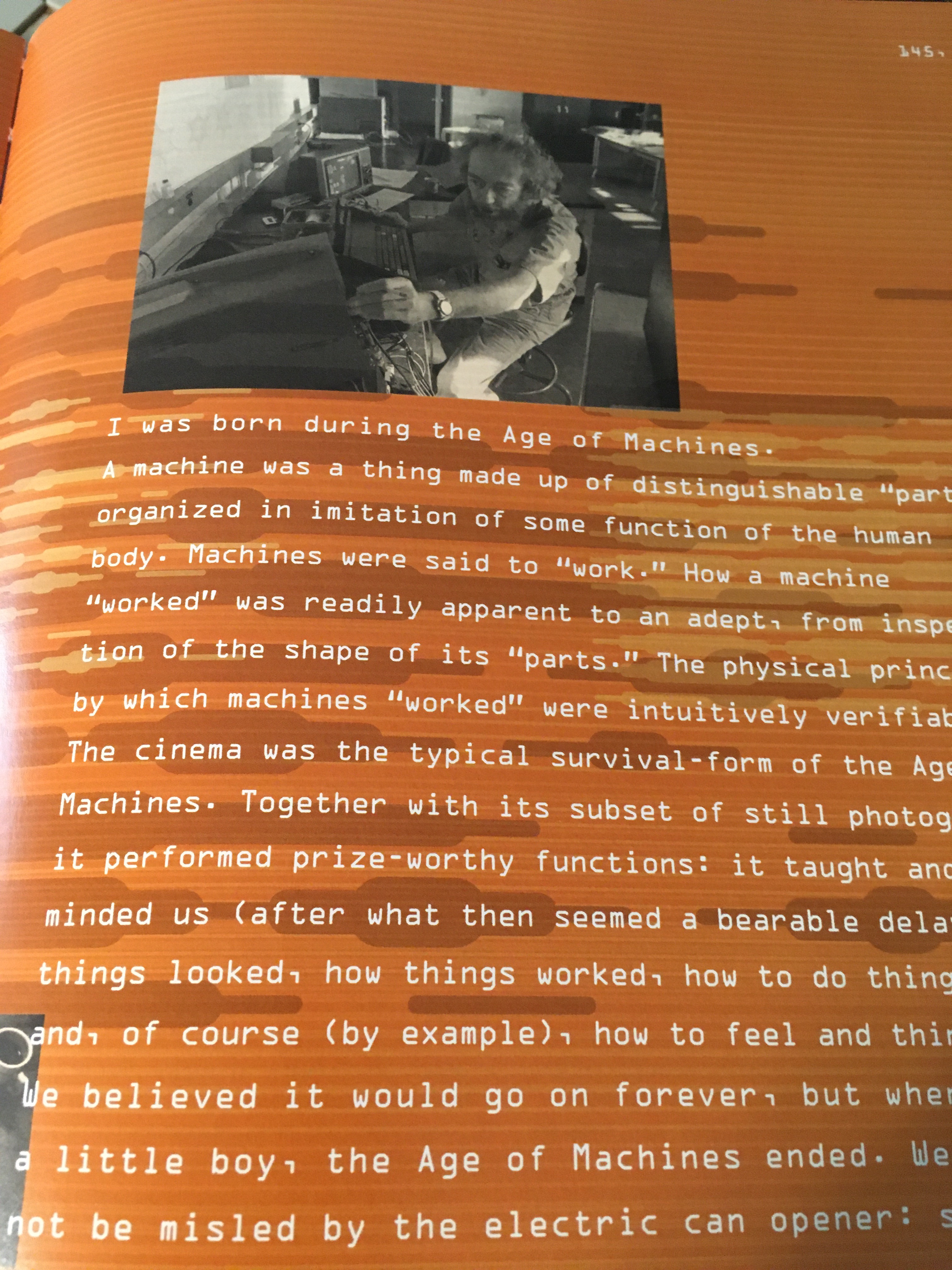
To begin your Frampton quest, get the October Files book. It is about him more than by him. Hollis in his voice if represented in “On The Camera Arts and Consecutive Matters” — going deeper into the media world with ever more Frampton, read “Buffalo Heads.”

an October Files Book.

a.co/0PTJVZL

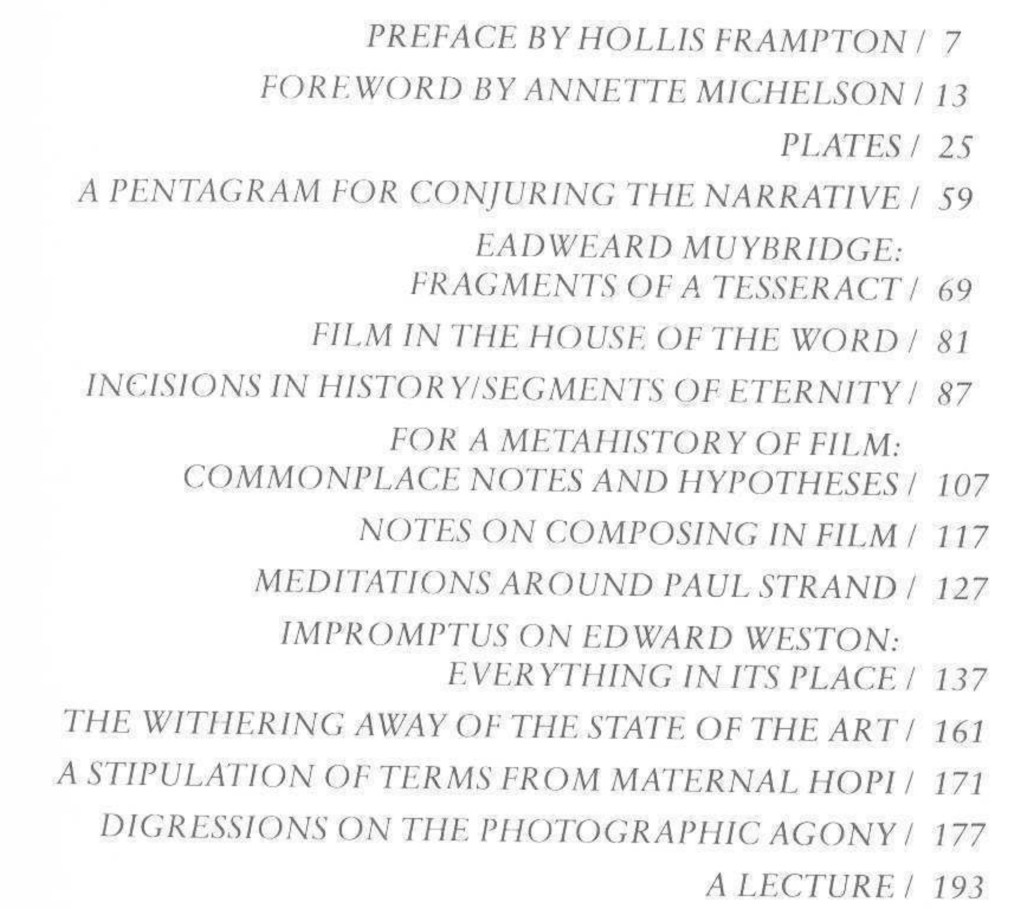
  • A Pentagram for Conjuring the Narrative
  • Edward Muybridge: Fragments of a Tesseract
  • Film in the House of the Word
  • Incisions in History/Segments of Eternity
  • For a Metahistory of Film:Commonplace notes and Hypothesis
  • Notes on Composing in Film
  • Meditations Around Paul Strand
  • Impromptus on Edward Weston
  • The Withering Away of the State of the Art
  • A Stipulation of Terms from Maternal Hopi
  • Digressions on the Photographic Agony
  • A Lecture

Circles of Confusion: Film, Photography, Video: Texts, 1968–1980 (1983)

  • Goldensohn, Barry (1985), Memoir of Hollis Frampton, in Michelson, Annette, (ed.) Hollis Frampton: A Special Issue October, 32 MIT Press, Cambridge, Massachusetts (pp. 7–16)
  • Jenkins, Bruce & Krane,Susan (1984), Hollis Frampton: Recollections-Recreations (p. 120) The MIT Press, Cambridge MA, ISBN 0-262-10030-4
  • Michelson, Annette, ed. (1985) Hollis Frampton: A Special Issue October, 32 MIT Press, Cambridge, Massachusett

Hollis was of the time and mind when photography and film where becoming media. He along with the Buffalo Heads were preamble to Pictures Generation.

‘photographers are themselves, in a limited way, sensitive to light. it is their responsibility to extend the range and power of their sensibilities. ‘ hollis frampton

bookshelf: Critical Notes

books I’ve taken from the shelf many times. Fewer times these days, this century. We’ve much more to read; work of equal depth as these early ones — these are things to read so that you’ve a foundation to react to this century’s writings.

They fear that writing, thinking will clarify their work, making it less creative. That they are also the ones who talk for years about techniques they have never done; they have a bucket list that could fill a pool. Hating art school goes along– too expensive; I already know how to use a camera.


By Non-photographers… does that make them useless, irrelevant — wrong?

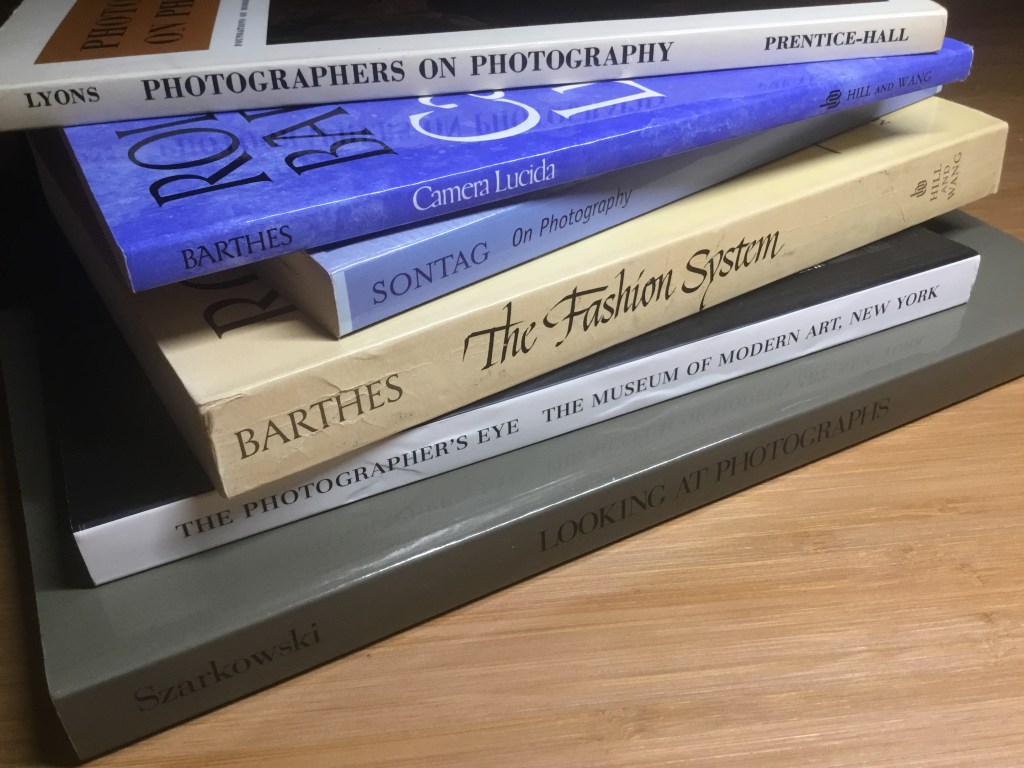
  • Camera Lucida / Roland Barthes ::{1980] the “spectrum” He moves from the objective to the subjective. he book develops the twin concepts of studium and punctum: studium denoting the cultural, linguistic, and political interpretation of a photograph, punctum denoting the wounding, personally touching detail which establishes a direct relationship with the object or person within it.
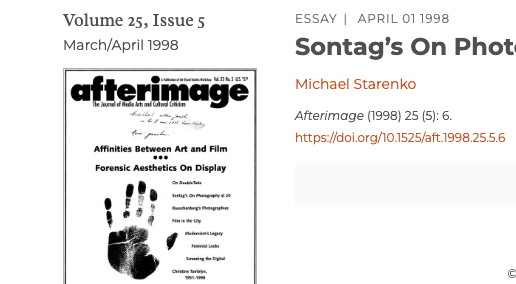
  • On Photography / Susan Sontag. essays that appeared in the New York Review of Books between 1973 and 1977. [1977] establish within people a “chronic voyeuristic relation to the world.” 1998 appraisal of the work, Michael Starenko, wrote in Afterimage that “On Photography has become so deeply absorbed into this discourse that Sontag’s claims about photography, as well as her mode of argument, have become part of the rhetorical ‘tool kit’ that photography theorists and critics carry around in their heads.”

By photographers.. are these more useful. Has writing ruined their photography. Why didn’t they just “let their photographs do the talking”

Minor White … reviewing
  • Photographers on Photography, Nathan Lyons,[Abbott, Adams, Bruguiere, Bullock, Callahan, Coburn, Demachy, Emerson, Frank, Lange, Moholy-Nagy, Man Ray, Robinson, Siegel, siskind, Henry Smith, Eugene Smith, Steichen, Stieglitz, Strand, Weston, White]
  • Circles of Confusion, Hollis Frampton. 1983
  • The Photographer’s Eye, John Szarkowski,1966. The Thing Itself, The Detail, The Frame, Time, and Vantage Point
    “This book is an investigation of what photographs look like, and of why they look that way. It is concerned with photographic style and with photographic tradition: with the sense of possibilities that a photographer today takes to his work.”
  • Looking at The Photographs / John Szarkowski, 1973. 100 Pictures from the Collection. [features Linda C, I was her first TA at SFAI. thanks Margery]

Words can’t take away from a worthwhile image anymore than they can bolster a worthless one. Fearing words is a crutch of someone unable to think. It is certainly not a requirement that a visualist also be an author, or philosopher. It is just unlikely that they are also unable to engage the history without using engaging their mind.

… an endless topic..