Easy Step: registration

Registering film for printing (optical) isn’t a mystery. It is simple, but has changed, with increasing complexity of mechanism making easier, more certain, faster production of picture.

At first, the method was: cut-n-butt. This was the way wash-off relief (dye transfer) was done from 1936 into the 1950s. In fact the original Kodak Dye Transfer method was based upon a “slip-sheet” for matrix positioning at the printing stage. Kodak even included a blank, unsensitized sheet of matrix film in the 10×12 sheet boxes. [ ever divide 25 by 3; in tri-color separation, that 25 sheet box had an extra… used either for exposure tests, or use as a slip-sheet.
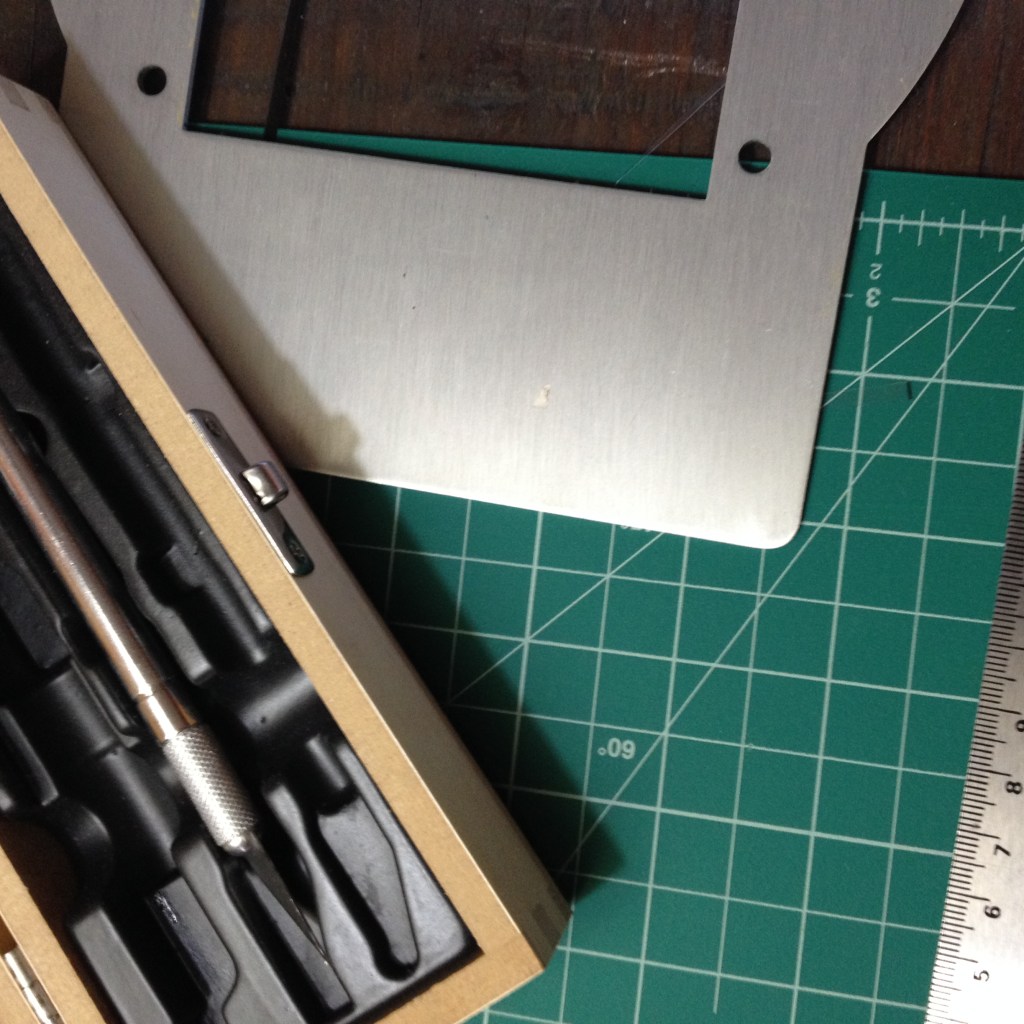
Needed: straight edge, knife, tape, loupe and good eyes.

Printers and animators had other means and methods. More about that in the “registration” posts.
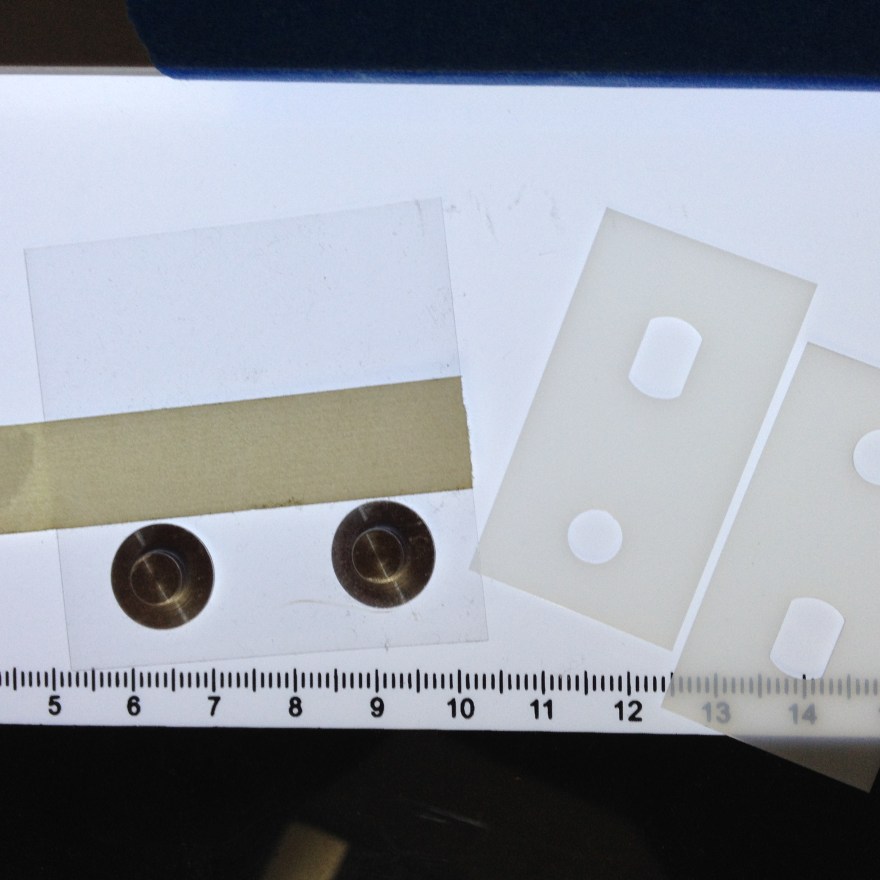
printmakers have use “buttons” and “tabs” for decades. These are much more current. They are standard sized for at hand punches. The oblong slot allows easy on, as well as permitting size changes of support material.

Kodak used that oblong slot for the same reasons.

Kodak dye transfer register board.

Provoke – are, bure, boke

“Grainy, blurry, out-of-focus” A small movement that continues making changes in the way of picture making.

Yutaka Takanashi and Takuma Nakahira, critic Koji Taki, and writer Takahiko Okada. Started a short lived magazine: Provoke.

Provoke// materials for thought

Boke, usually: ‘bokeh,’ is the remainder of this stylistic trinity. It has been reduced to meaning the ‘out of focus’ rendering of a lens. Bokeh and ‘diffraction limited,’ form the recurrent, frequent topic in the online life of photography. A limited life, but it won’t die.

I’ve collected a set of videos so those of you at the table can have a brief, but worthwhile foundation of the provoke style.

Provoke (Purovōku) was an experimental magazine founded by photographers Yutaka Takanashi and Takuma Nakahira, critic Koji Taki, and writer Takahiko Okada in 1968. The magazine’s subtitle read as: shisō no tame no chōhatsuteki shiryō (Provocative documents for the sake of thought). Photographer Daido Moriyama is most often associated with the publication, but Moriyama did not join the magazine until the second issue. Provoke lasted only three issues with a small print run, but remains an important cultural artifact of the postwar era.

MoMA
Tate | Daido Moriyama

A longer, more complete interview with Daido is this from Vimeo:

2016, Moriyama [13min]