by now it is clear that you aren’t returning my check; it is clear that you didn’t keep your commitment to provide reprints, or return my check.
it is clear that your structure is the same as any other business, run simply, sloppily made rules, carried out by functionaries aware of their vacation, treating research requests as interruptions.
I expect dishonesty, false promises from a profit business; that is the founding basis of opaque blind commerce. That shouldn’t be the basis or philosophy for a non-profit, otherwise, there is no need to make tax or structural distinction among them. If they act the same, they are the same.
now isn’t then;
then when Visual Studies Workshop was a fertile place, bold: attracting the committed, driven by a mission spirit, with a goal of a broadening, rather than a deadening future. a place beyond the market drivers, something other than a tax deduction.
what may not be clear to you
is how much VSW has changed. what you were, and what you’ve become; where you were headed, and how far off course you’ve gotten.
Turning a non-profit into an organization that is as layered, with interactions like a profit business is pretense and false promise. It is also bad mimicry. No small business succeeds with so much pretentious departmentalization over such small amounts of money. They would die of overhead and organizational inertia.
Views enlarge what they engage. Whenever primates look in one direction, they see two views, one through each eye. The camera blocks parts of the world; words the other.
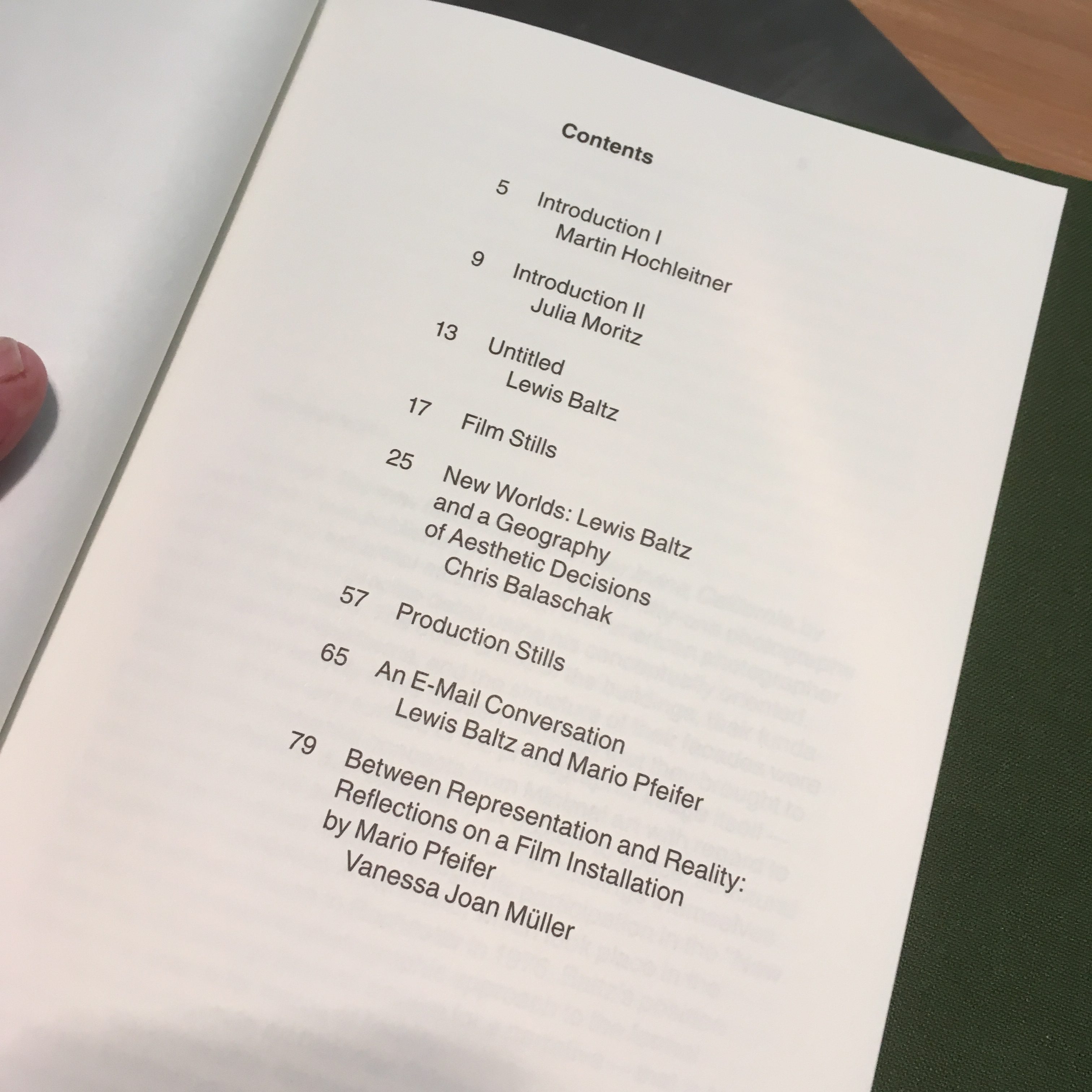
“Untitled” Baltz : (1974 ) first published in Image volume 17 number 10 June 1974 . George Eastman House. This was published the year before ‘New Topographics,’exhibit held at Eastman. In this short essay of 8 paragraphs Baltz provides summary estimates of “typical” industrial sites; where, why, how. Reading it all these years later, I don’t remember it from then, though I subscribed to Image, there is a desolate tone. And, the final paragraph does offer a (mild) condemnation, as well as an erroneous assumption about likely economic actions.
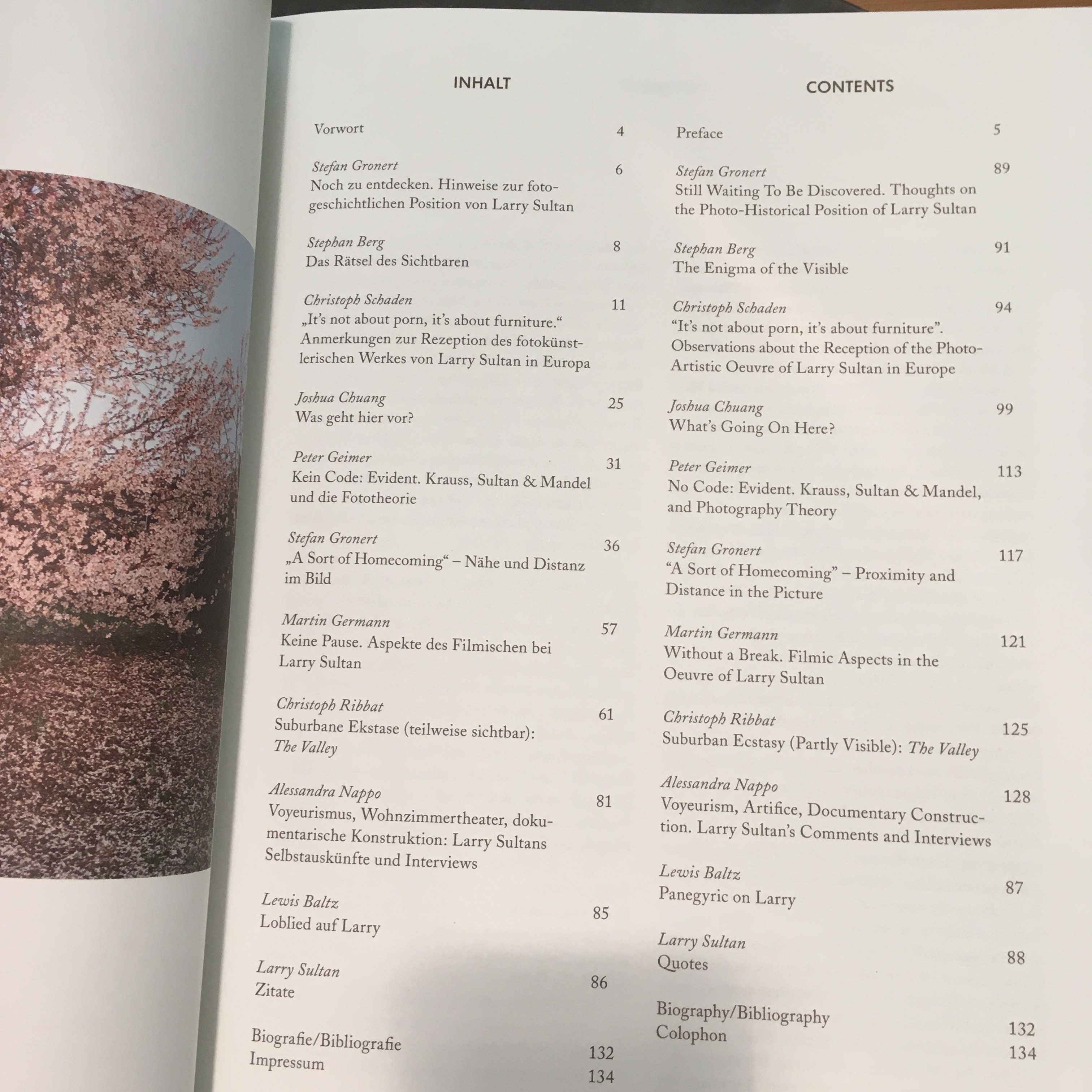
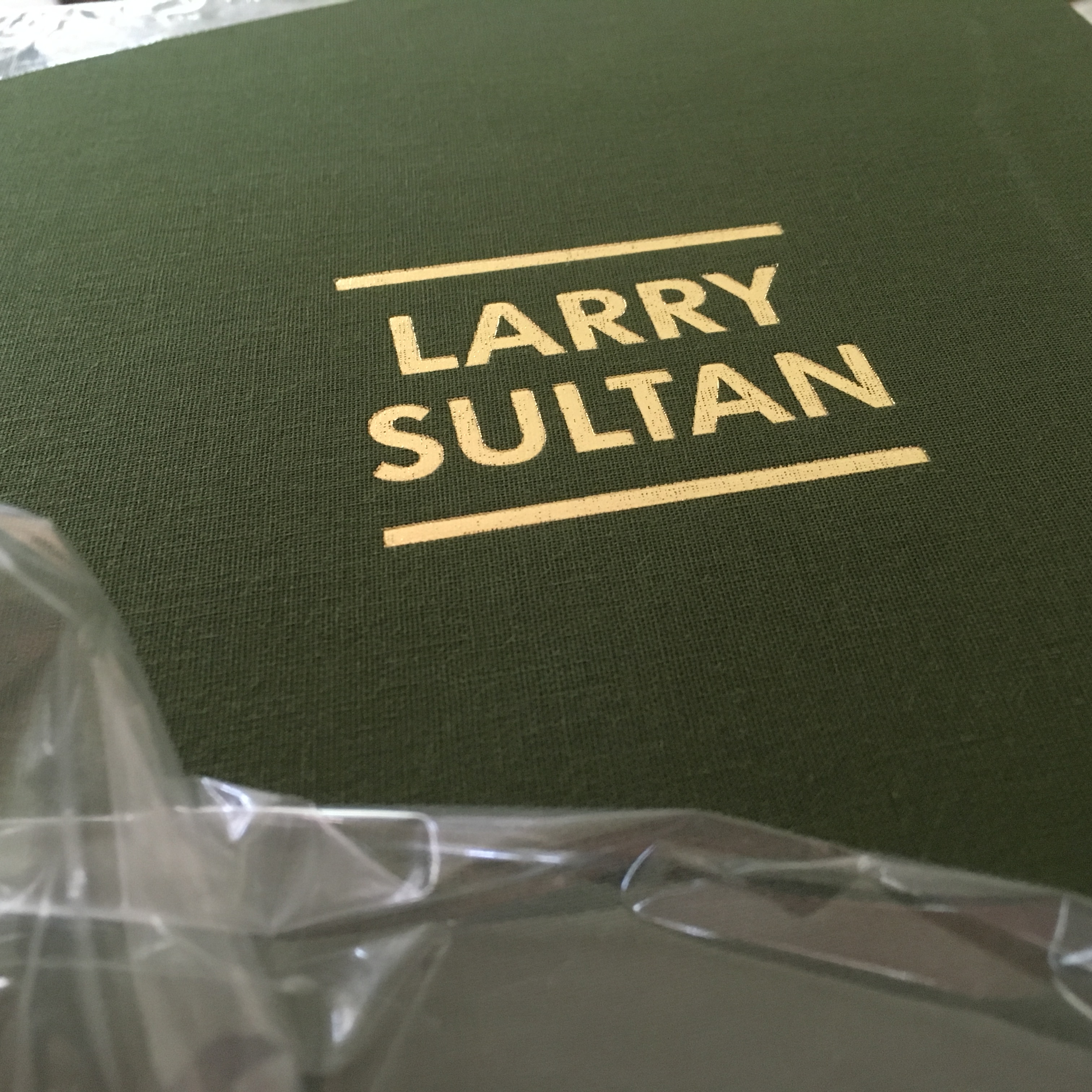
“Panegyric” Baltz. The praise is of Larry Sultan, from the “Larry Sultan” book. A brief, but strong statement of appreciation of Larry as the person. Recalling time with Larry, Henry Wessel, and Baltz playing racquetball; avoiding talk of their different work.
These are pieces of Lewis Baltz, discovered as I was looking for something else. I knew Larry – I went to school at SFAI in the same class as him, Mike and 6 other people.
I never knew Lewis Baltz, but feel I know much more about him now. We are lucky he left us so many words.
Sultan July 1946- December 2009 (aged 63) cancer (wife Kelly)
Baltz September 1945- November 2014 (aged 69) cancer & emphysema
ISBN-10: 1934105295 & ISBN-10: 3735600697
Eat your vitamin A, C, D, exercise doesn’t prevent cancer.
Lewis Baltz (September 12, 1945 – November 22, 2014) was a visual artist and photographer who became an important figure in the New Topographics movement of the late 1970s.[2] His work has been published in a number of books, presented in numerous exhibitions, and appeared in museums such as the Museum of Modern Art, Paris, Museum of Contemporary Art, Helsinki, San Francisco Museum of Modern Art and The Whitney Museum of American Art, New York.[citation needed] He wrote for many journals, and contributed regularly to L’Architecture d’Aujourd’hui.
Publications
Landscape: Theory, Lewis Baltz, Harry Callahan, Eliot Porter, Carol Digrappa and Robert Adams, 1980 ISBN0-912810-27-0
The New Industrial Parks Near Irvine, California, Lewis Baltz and Adam Weinburg, 2001 ISBN0-9630785-6-9
The Tract Houses: Die Siedlungshauser (English and German Edition), Lewis Baltz, 2005 ISBN0-9703860-4-4
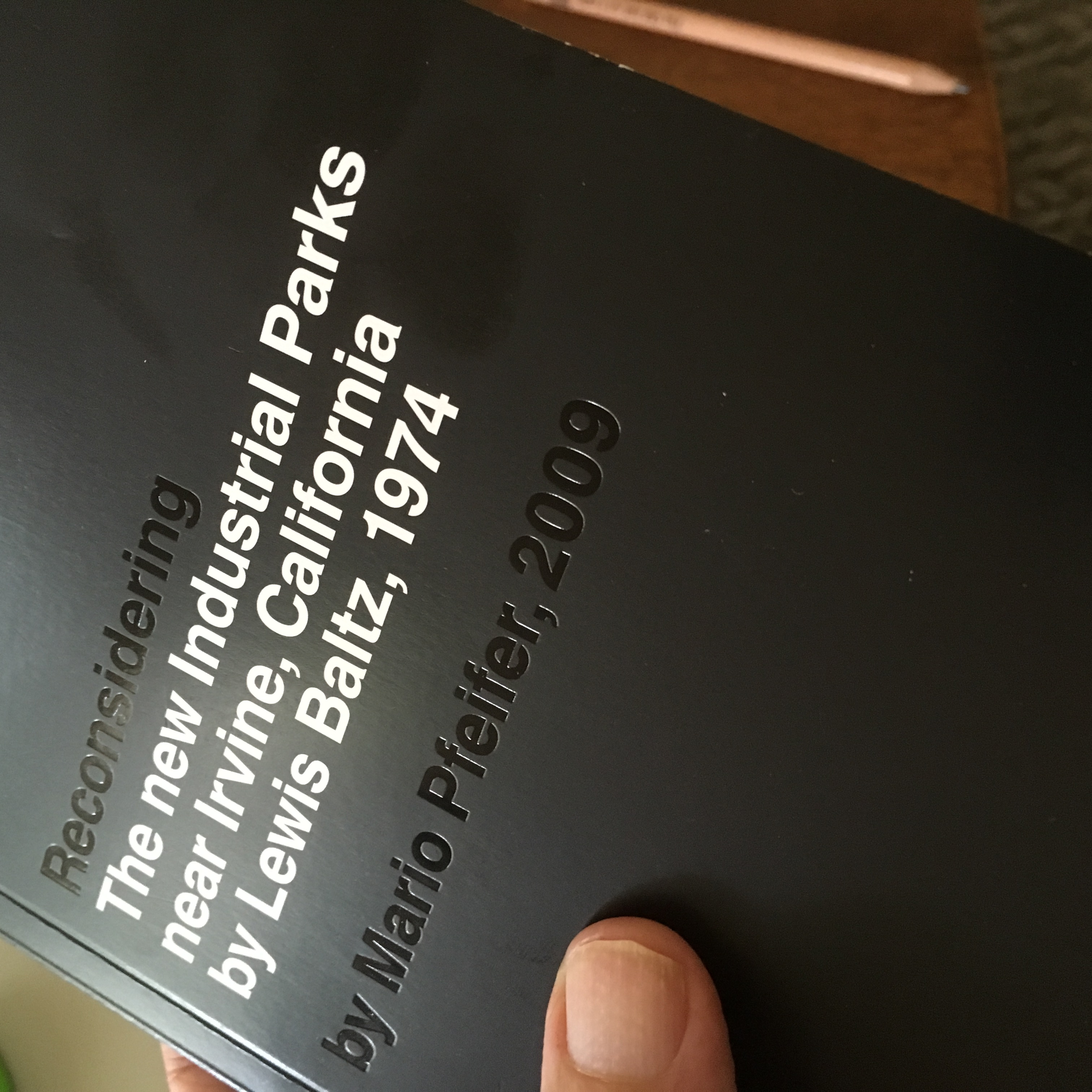
Mario Pfeifer: Reconsidering The new Industrial Parks near Irvine, California by Lewis Baltz, 1974, Lewis Baltz, Mario Pfeifer, Vanessa Joan Mueller, 2011 ISBN1-934105-29-5


You must be logged in to post a comment.