Texas Photographic Open House

9.21.17 Dallas; tagview: Congenial gathering. I recommend you go, I would attend another such, although I wouldn’t join TPS [not a joiner]

The TPS is older than its name, coming into existence out of the need for group purchasing during the 70s. In 1984 that group became the Texas Photographic Society, a “not-for-profit.” This past week, I attended an open house held at Dallas Center for Photography (DCP).


We were early visitors; there, with most of the tables set up, prints laid out. I didn’t see any other guests, my count of people approximated my count of sets of prints. We had been there about 15 minutes when Amy provided introductory welcome and remarks. It seemed a group of people who were familiar with each other, so much so that they gathered into a large group to talk, leaving their portfolios to speak to any guest, such as Annie and me.
We made two rounds; stopping to pick cards from those interesting portfolios.
Portfolio tours are familiar to me, but not in a club climate. Art school is spent looking, talking, sorting, and rearranging work. Not so this gathering. These were people who filled time with friends, friendships formed because of shared interest. The proficiency level differences weren’t as great as the esthetic differences. There were distinct attract, and satisfy levels to the work presented.
I never met the people who’s work most engaged me. After about half hour, and no additional people entering, Annie and I left. A typical ‘Plex outing: more time on the road than in the event.

My grouping:
tps_5640
my preference

The most interesting work is even more interesting on the web — the sites show clearly the range of ability and duration of their commitment; more so than a table at a photo friends gathering.

  • michaelepner.com. /// was at Kodak… uses scanner
  • shawnsaumell.com. //// mfa painter … these two used same art card.

along with the also present:

  • besstphoto.com   // interesting but why such timid work
  • cabdphotography.com // site not yet up 9.22.17 (still gathering legs)

Those are the ones I’ve put into my follow folder. The people who made extensive use of film, or software didn’t add anything to my time, so you will have to find out about them from others.


=====

unedited notes:

what are the divisions? between prints and cheese, can we tell the will of the artist or the whisper. // an event, a space, populated // the micro of artworld. social space. food. table. work in familiar boxes.// witness not testament
 

Pathways In Art

Achieving lift off…

At our beginning, the first steps, we fall. Lacking in ability and direction, we may crawl for a long time. Too long, maybe.

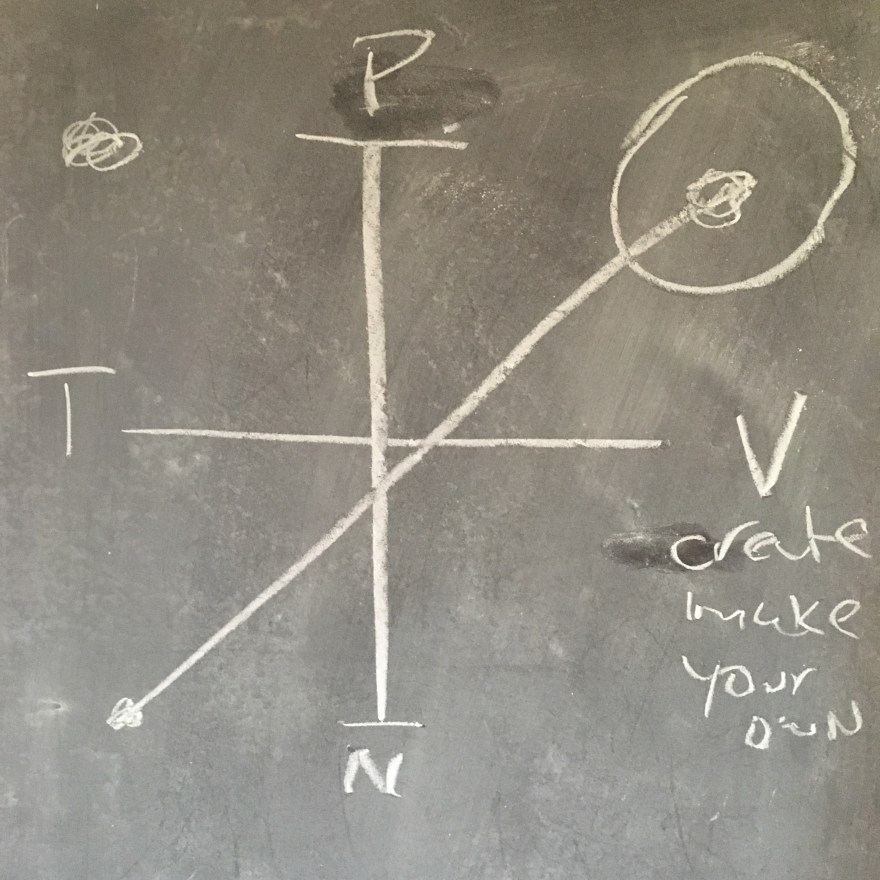
Artists expand in more direction than one. Not everyone will, so they will suffer from some time of deficiency, some deficit. Generally, we grow in staircase, or spiral, never in a direct path from lower to upper, as sketched in the following:

creative path
finding the path

From the Technical to the Visual. Novice to Proficient is one scale; naive to sophisticated is another way of understanding the progression.

if you start at (T), the technical side, perhaps because your art is bound to complex process, achieving the (V) of your own value and judgement is slowed. The journey to proficient, sophisticated artist may never be completed. Most weekend enthusiasts never move beyond the (T) – the endless: “how do I?”

How to get past that? It will be easy, if you have the drive. That drive to make your own meaning; enough drive to ignore your defective skill, to seek the reward and satisfaction of expression. You need creative drive. You need an internal motivation. That doesn’t come from the world of tedious checklists and corrections of studio assignments.

Photography removed the tedium of many painting studios upon its arrival, digital imaging has done the same thing for many photographers today. Skills will always grow to fill, to satisfy the esthetic need of the artist. Let the creative drive pull you up the slope from novice, away from the tedious technicians.

Of course, there will always be those who look only at technique, who ask ‘how’, while others of a more curious nature will ask ‘why’. Personally, I have always preferred inspiration to information.
Man Ray


But What About?

Where do I place/ isn’t Ansel Perfect In Every Way? Ansel is known for devising and spreading the Zone System. He also photographed the found land. His extension wasn’t in the image, nor in the narrative capacity of photography. Instead he perfected the light meter and time + temperature work of Hurter and Driffield Ansel’s work was influential, but not even an innovation. His perception of objects is easy enough, his technique engaging enough to occupy swarms of weekend tri-ploders. He is the anchor of the proficient tech’er. He made money selling sweetie pie visions, appropriately from a concession stand in Yosemite, the cornerstone of tourist campgrounds. Parking lots surrounded by park.

Ansel is also called upon by the techno-kid as evidence that their use of new camera methods would be approved. Who cares? The approval of dead poets isn’t life giving, nor affirming. Bones on the path don’t bless your journey.

Let us now avoid Dead Poets Society and the dear Dr. J. Evans Pritchard, Ph.D.

anselMoon.png
Ansel Stuck in Tech

Understanding by visual condenses much, emphasizing notions. If the notes don’t work for you, don’t swallow them. These are schema not geometry; directions, not a map. Idea generator, not prescription.

On the other side dwells Sarah Moon. Driven by visual worlds; her followers ask about her technique, after all that is where most togs begin – ‘how’ can I do that.

What do you adapt, what do you adopt? Is your work an acceptance, adoption of 18th century light/shade solution to portraits? Do you hold that working with light and film curves are the actions of creativity; that these satisfy your impulse to make – in that case, you are on the T side, and probably don’t understand why.