the Dye Guy

If you are of the internet age, of those who know more about dye transfer as a mystic process from a distant age. As a process steeped in, and dripping with the badge of chemical craft — meticulous step by step make no error darkroom work, then you probably know few names of its thousands of practitioners.

You know those who have been proclaimed by the forums as keepers of the skill. They aren’t the folks I knew. Of course I knew of Eliot Porter, but then I also knew of his assistants as well as some of the printers who worked at the labs who printed for him.

The photographer most people know is William Eggleston. A man of many printers.

The person most of you from the pop-photo, camera store, workshop trained photographers have heard of is Ctein. He isn’t the person I think of as the main dye guy. To me, he is a tech writer who was given work by Frank McLaughlin of Kodak.

I have mixed feelings about this post. Ctein can’t do any harm — neither can he do any good — not for you, not if you are trying to learn about making prints. The information of doing that exists in better, more usable form in several books and places. The process as it is done in this century is fading again. The last orthomatrix film coating was in 2018. That was done by a coater that no longer has the equipment used for that type coating.

What bothers me is the sense of privilege along with the power given to someone who spent so much time staking claim to a skill so widely held — an ability to make prints many times more often, to even higher demands with a seemingly endless array of problems. A commercial lab doesn’t often reject possible clients. Our success was based upon solving a clients problem, not by setting out the reason we wouldn’t take their job. “we’d have to change a printer”
limitations … perhaps after years doing dyes didn’t provide enough profit to afford two printers in his second stage..

he doesn’t have to tell his story; others will repeat it. By association they gain favor.

“I know great people, must mean I’m a great person.”

So, what’s my problem. None. I understand all of this — I even understand that you will not change your viewpoint. You shouldn’t.

Too bad you never met the real dye guys. Too bad you never became one.
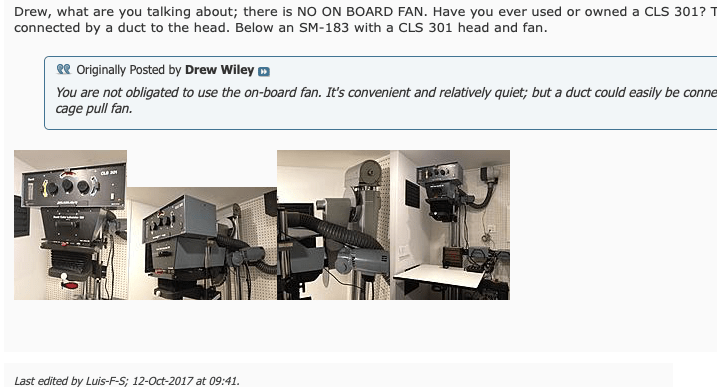
Sparks Fly

when amateur experts collide. If nobody is right… let’s have a fight.

Power Struggles

Does the answer matter as much as winning, dominating among, what are essentially bullies in boast mode. Aging forums traverse a standard decay. It takes very little to cause the inmates to stomp and shout. So, what happened?

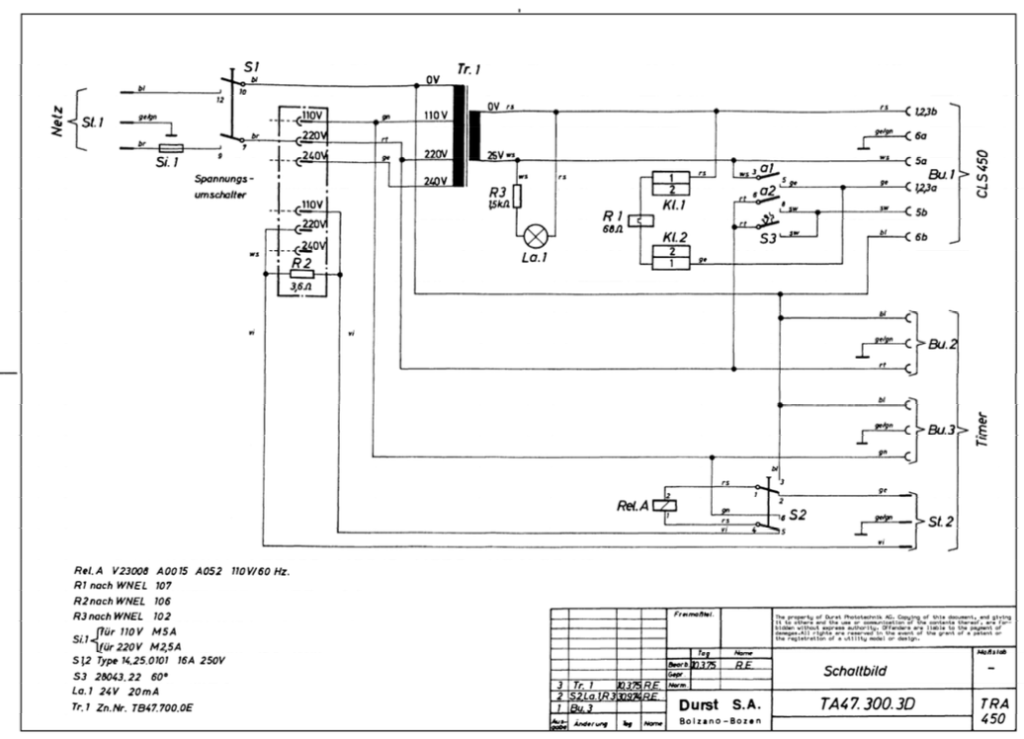
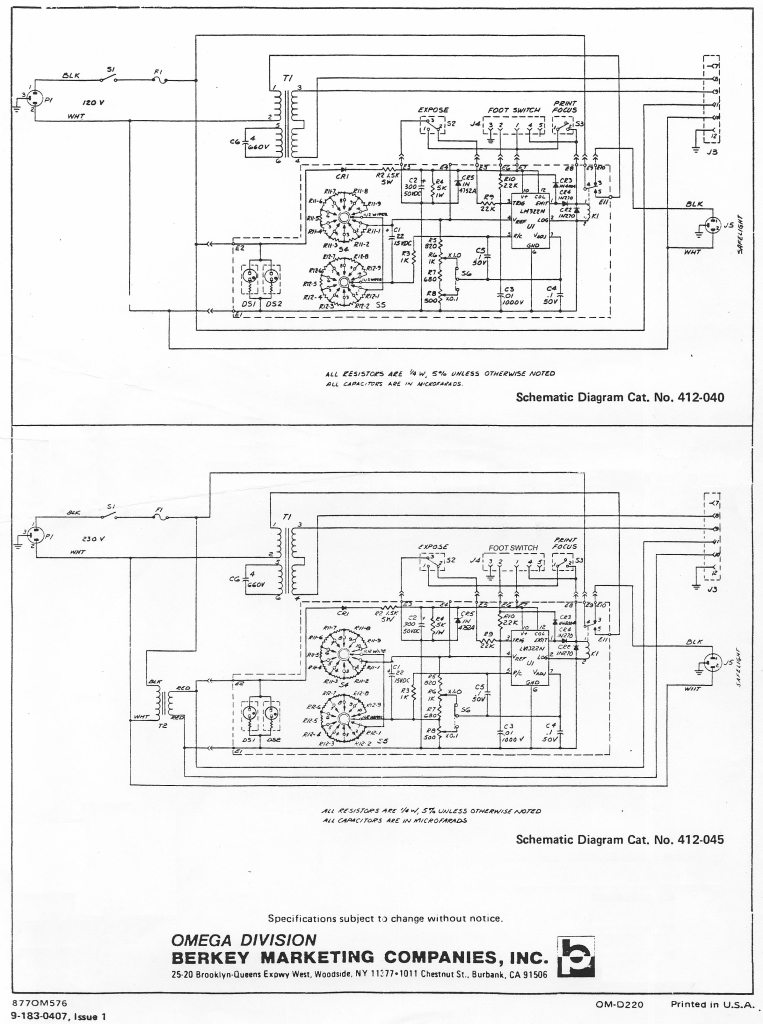
technology designed to serve industry across many nations with differing standards of safety.

Professional labs often operated all day, every day. One workstation was used by different operators on different shifts.

Design standards matured. Knowledge among users of different products was passed to all the involved vendors.

Salesmen talk. Hard to keep secrets that are for sale to anyone at a trade show or a reception room.

Could it get you there? The knowledge thread. Only if you already knew the answer; you’d do fine picking through the several pages collected over many years. And read German. The fact is, most of the knowledgeable from the chemical era began retiring in the 80s. Those most successful labs were being sold by the late 80s. It was clear that growth was over. By 1990 anyone with an accountant knew: the best is done. And asking: what comes next, if they were too young or too poor to stop, to make the next step.

Enlargers are elegant solutions to a simple need. Make this bigger. Make a projection. A light and a lens is all that’s needed.

Mechanical engineering improved over several decades to hold and position the film to be enlarged. How to do this cheaply yet durably. Divide the market into the casual and the commercial. From the 50s onward safety standards matured, so did manufacturing experience and supporting industry with more and more solutions.

The hobbiest’s casual darkroom is likely a converted space, perhaps a shared space. The car, the bar, the enlarger, that spare freezer, all stuck away. And subject to accidents. Water makes a great conductor.

hard to get agreement among them, when they don’t even keep agreement with themself. over time they switch opinion — seems to be based upon who they agree with not that it matters. none of them are the ones who have to fix the broken, possibly dangerous, device.

Lonely, a bully, and a know-it-all meet online to answer questions of the naive. Bullfrogs at a roadside puddle.

Resources

http://www.luigipasto.com/pages/resources/

http://www.jollinger.com/photo/enlargers/chromegatrol_repair.html

http://durst.loremi.com/


http://www.jollinger.com/photo/enlargers/other/Changes_to_My_Chromegatrol.pdf

Amateurs need to explain, more to themselves than to others, why they ended where they did. It can’t be because of their lack, it must be something you’ve done.

“Galdston was surprised that Evans made better pictures than he did, even though Evans didn’t know much about f-stops and shutter speeds.”

The difference between Iago Galdston and Walker Evans is obvious.