durable large camera for harsh environemtn. the bragboards wonder if the person has ever ben to a desert; if he knows how difficulat it is. How they, of many failed efforts weren’t able to achieve much other than thousand posts among fellow footnotes. So they tell him, the new and gone poster to use/ do something else. Or maybe a Sinar.
an overnight. Not every error is the same error; not every color error is a crossover. Most aren’t.
separations. telling theory from experience. the cowboy from the hat
pigment diameters: a pigment isn’t a colorant of a fixed size. It doesn’t have to “fail to fit thru those tiny nozzles” in a jet printer to be a pigment. That test is a failure to thrive in a learning world.
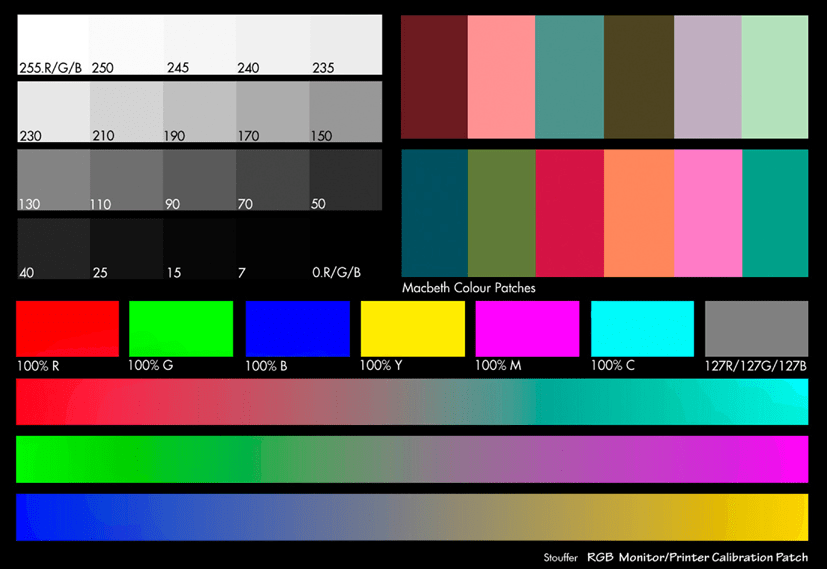
[the green curve on the right is crossing over the blue curve] If it could be shifted to the right…
Structural pigments don’t have color.
“A dye is a colorant which is molecularly dispersed or solvated by a carrier. The carrier can be a liquid or a solid at room temperature. A commonly used carrier is water or a mixture of water and organic co-solvents. Each individual dye molecule is surrounded by molecules of the carrier. In dye-based inks, no particles are observable under the microscope.”
“Pigments are colored, black, white or fluorescent particulate organic or inorganic solids which usually are insoluble in, and essentially physically and chemically unaffected by, the vehicle or substrate in which they are incorporated. They alter appearance by selective absorption and/or by scattering of light. Pigments are usually dispersed in vehicles or substrates for application, as for instance in the manufacture or inks, paints, plastics or other polymeric materials. Pigments retain a crystal or particulate structure throughout the coloration process.” –CPMA – Color Pigment Manufacturers Association, Inc.
not a crossover. most of the green horns would think it was. this gif was made from two separate, seemingly balanced prints. at least the grey steps were correct.
The problem with pigment, carbon printers’ results are: Undercolor. undercolor — CMY have degraded, overlapped out of balance. UCR mask reduces these colors so that the K will be image content. Exposure controls amount removed. Soup the mask to a contrast that reduces in the shadow of the separation negatives.
mask is option in best match colorant sets.
the essential is matrix, dye, blank
masking is an aid to holding the Chrome for the paper
he was good at transferring information without killing imagination
The obvious is overlooked. Our baselines aren’t noticeable. Seems and stitiches.
by definition: photography is about the light
How is it that the most photographed subject among the online film groups is landscape? A term they use without getting to its original meaning. In fact that original meaning is a touchy subject. When everyone photographs the same things, taking on the grandview established by the master — what room remains for their simplistic, simplified, scenic overlook version, but to think in process. Change the process; change your life, or at least keep moving toward the light.
By the light of the moon
they rhyme with spoon
will their prints come soon
“My photographs are all about the light.” — Yes, dear, aren’t they all.
In that vein, they work. Theme is often difficult; tough to understand. Over the course of a decade the personage modified his wording. He now has a ready answer to the questions about his choice of trees. It is a comfortable answer. He wears it often. The two pennies in his pocket are: the light, and the stuff it takes to make a carbon print. Comfortable slippers for retirement stories at the bar.








You must be logged in to post a comment.