
Often old processes die leaving only a few practitioners remaining like soldiers on an abandoned, forgotten island.
amateurs built Ciba; amateurs killed Ciba. 
Ilford Imaging Switzerland’s bankruptcy was in December 2013.
The gossip boys ,on the barstools of the internet ,hang out telling tales of the past. Easy for them to miss the changes in currents around that lost island, since they never were there, and they don’t know how to swim.
NOTE- if you’re APUG, or Large Format Forum registered, you may not use this material. Please, leave this site now!
Big Name Ciba
would you rather ask a thousand people who don’t know the answer, or 1 person who does?
Asking the rights question of the right person is the only way to a correct answer.

Burkett is a big name in Ciba prints. He is a long time landscape photographer, so should be ready reference for the Formulaic photographers. He is represented in many of the destination galleries. Even a lesser known photographer knows the Ciba answer. And he is a popup exhibitor.
A Last Lab
I doubt they print anymore, but at one time Richard Jackson’s “Hance Lab” was a major ciba lab for exhibition and portfolio work. Richard has moved on, preferring digital prints. So, just as the best Dye Transfer printers moved to digital, at first with regret, later with a smile, even a joyous twinkle.
The (Usual) Places
B&H … they have partial supply (June 2016)
Dr. Damien Moigno DFI
What’s A Poor Boy To Do?
It will die, Ciba — this year (2016) will be the last year of chemical manufacture. The interest in this, like most color processes, is vapor. Dye transfer has come and gone 3 times in the past 15 years because people talk instead of working. They would rather brag, and boast about their exploits. What they really do is get fat on the barstool, talking about their glorious gift.
A kit for home processing costs 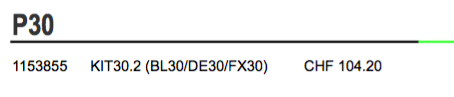
The last Ilford directions (PDFs) are:
As always —
- use it or lose it.
- when it’s gone, rebuild, or move on.
- don’t trust the first answer.
- don’t accept conventional wisdom, unless you want the conventional outcome
- sometimes, things are talked to death.
dig until you get deep enough to see light
Others writing Ciba’s epitaph: https://association-cibachrome.com/patrimoine/technologie/
 Adox announced Lupex with a very considerate offer of free shipping, so I bought a sample pack, and then a box of 8×10. I like the paper. The shipping from Germany to Texas takes 10 days — be patient. Lodima shipment takes only 4 days.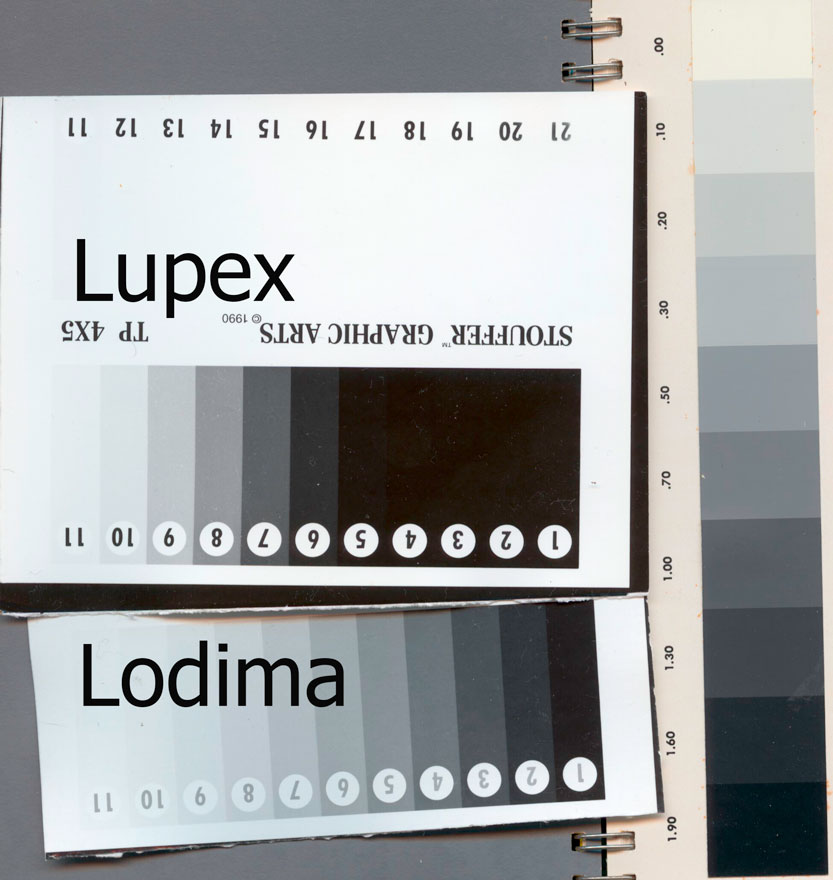


You must be logged in to post a comment.