
Registering film for printing (optical) isn’t a mystery. It is simple, but has changed, with increasing complexity of mechanism making easier, more certain, faster production of picture.
At first, the method was: cut-n-butt. This was the way wash-off relief (dye transfer) was done from 1936 into the 1950s. In fact the original Kodak Dye Transfer method was based upon a “slip-sheet” for matrix positioning at the printing stage. Kodak even included a blank, unsensitized sheet of matrix film in the 10×12 sheet boxes. [ ever divide 25 by 3; in tri-color separation, that 25 sheet box had an extra… used either for exposure tests, or use as a slip-sheet.
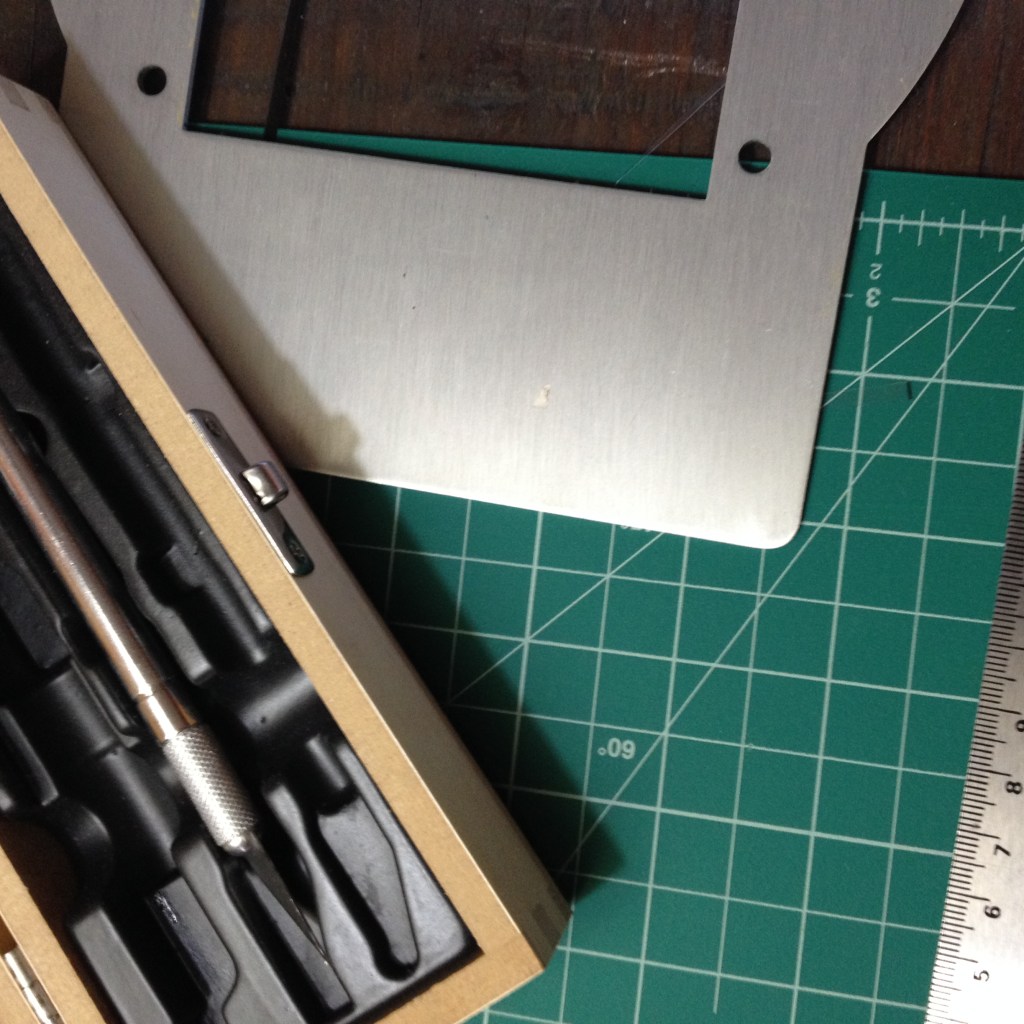
Needed: straight edge, knife, tape, loupe and good eyes.
Printers and animators had other means and methods. More about that in the “registration” posts.
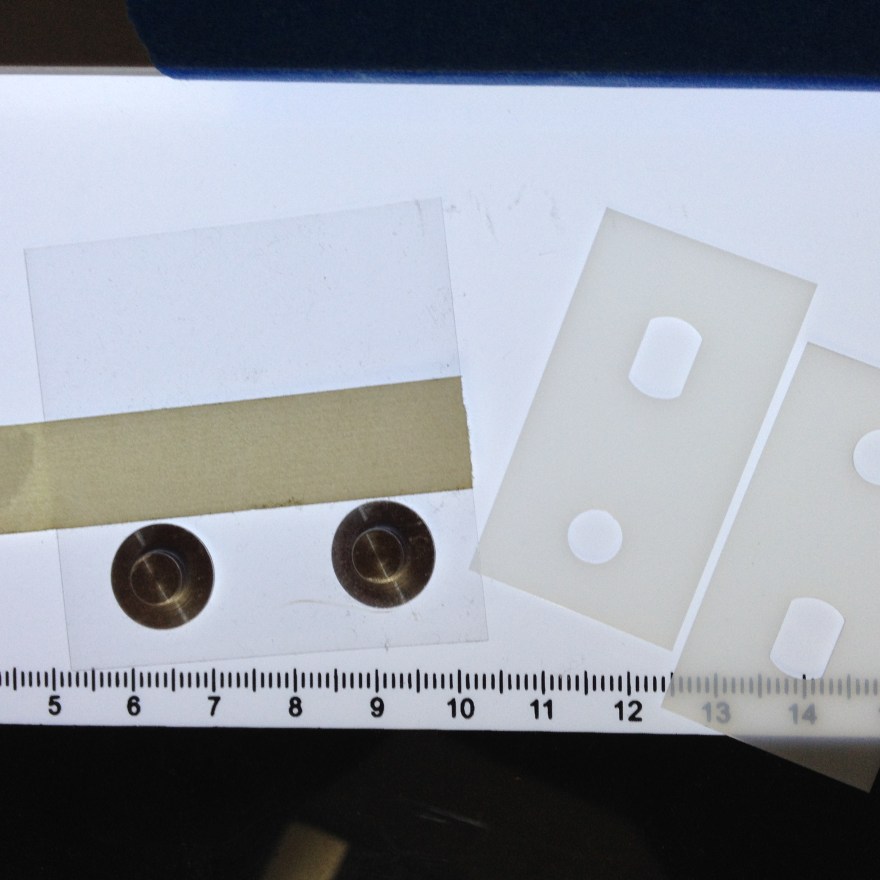
printmakers have use “buttons” and “tabs” for decades. These are much more current. They are standard sized for at hand punches. The oblong slot allows easy on, as well as permitting size changes of support material.
Kodak used that oblong slot for the same reasons.


You must be logged in to post a comment.