
additions [p2’s ] .. missed links and updates to prior posts.
>> link [ Seeing it in person, however, gives a more weathered impression than in photographs.
The greens are not as vivid, and the garden feels dry, even somewhat rough.
It’s best not to expect something overly decorative.
Tōfuku-ji, A Study in Geometry and Garden Design in Kyoto
>> link [ Gabriel Antonio Reed is from New Market, Tennessee. He received his MFA from Hollins University and his PhD from the University of Tennessee, Knoxville.
“a will to change that derives from our inability to change ourselves”—Gabriel Antonio Reed
… Gabriel Antonio Reed
>> link VSW [Matthew Schlanger’s image processed video works are serial constructions created with custom-built analog and digital processors. Each video is a real-time synthesized recording in which sound and image are parallel structures, often using periodic waveforms as image and sound source material. Schlanger is both an artist and a tool maker. He has been working with analog synthesizers since the 1980s, and continues to create video in his home studio in Nyack, NY.
lumpy banger https://vimeo.com/18289189?fl=pl&fe=vl&goal=0_3b0c1d68ed-eef87426d4-631039129&mc_cid=eef87426d4&mc_eid=f0298e5cc5
–Invisible Fisherman: The Art of Bill Brand now available through VSW Press VSW Press is pleased to announce that our most recent Film Art Book (FAB) publication is now available in the VSW bookstore! Invisible Fisherman: The Art of Bill Brand is a 160 page artist book featuring critical essays and full color images documenting the scope, breadth and impact of Bill Brand’s creative practice in film, installation, drawing and painting. Brand is well known for his work as a filmmaker and preservationist, and this book shines a light on his lifetime studio practice of drawing and painting. Brand himself navigates his portfolio in a “studio visit” with Tara Nelson, sharing his personal history with drawing and painting as a critical approach to problem solving and creative development throughout his career.
Click to access VSWPressSPRING-26BillBrandRelease_FINAL042126.pdf
EXPERIMENTAL CINEMA, VSW provides a walk along the path, to this: https://expcinema.org/site/en/books/invisible-fisherman-art-bill-brand
AND opening that we come to a site of many others making the swim.
https://www.billbrand.net/biography preservation of experimental cinema-video.
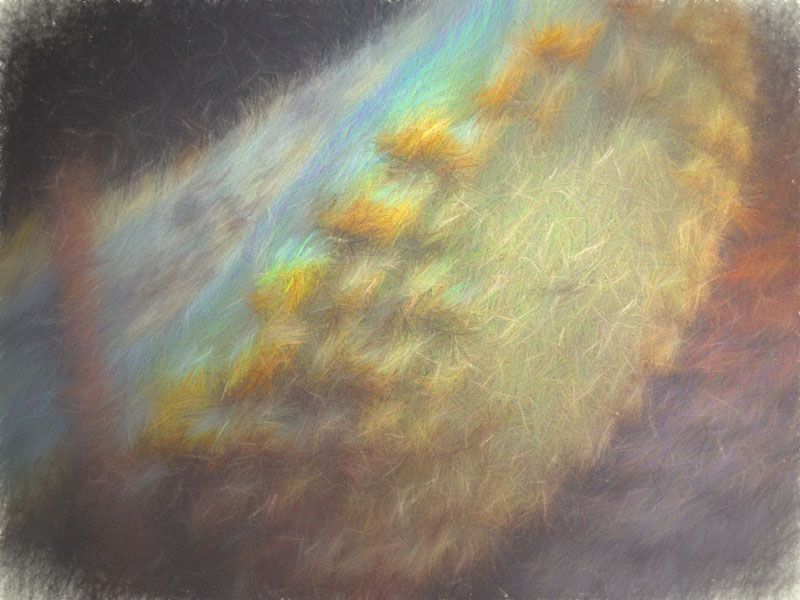
I keep things.Shoes wear out twice. Shirts last past many washings, patches. I have a wool shirt that once seemed scratchy, now it is smooth comfort. 50 years just happens with some things. Ideas, strong enough to last, provide the same sustenance. Some ideas are not meant to last. The young have difficulty picking among them.
flexichrome — photographs are always colorized, it’s just that some tell better color lies..
i seem to repeat myself .. someone, at some time asked a question..on the web, nothing ever finishes; nothing is ever found.
flexhichrome.
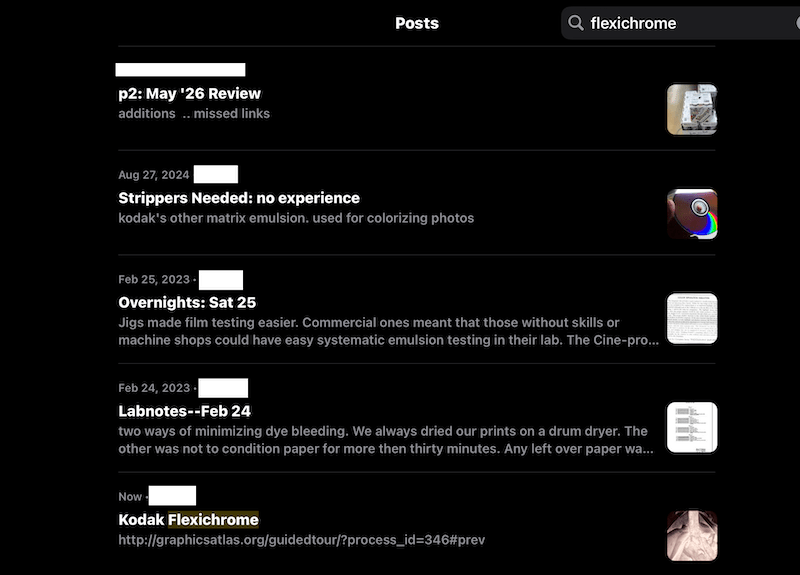
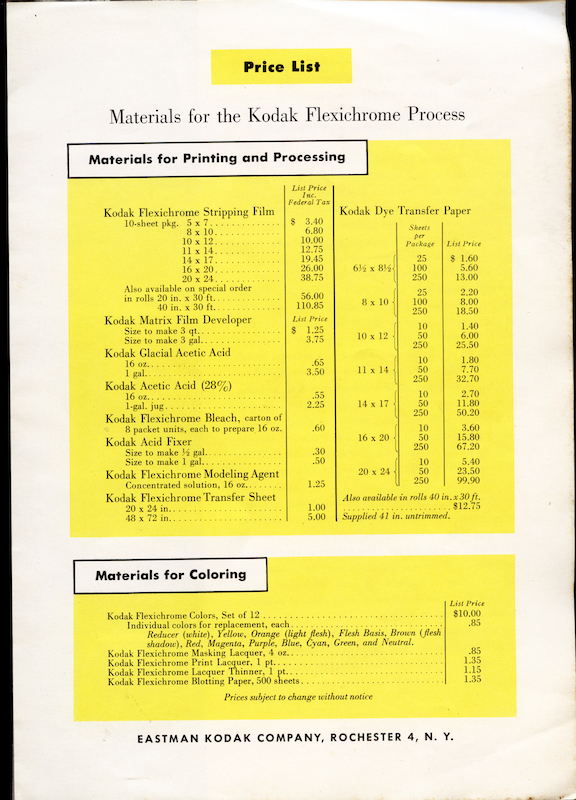
just Friday (yesterday), as if by synchronicity, C found an old Flexichrome brochure among poetry magazines she was reviewing… keep, or pass along..
That refreshed my thinking about some posts I made several years ago… I wrote, but never published.
The Flexichrome process has special memories… serving as release from constraints that I was setting upon myself too early in my career to recognize as bad habits. Habit of “giving away” my eyes. to some prior, unknown visionary. Why let them set my standards?
So, maybe I will finish and release the tech post I made more than a decade ago on the process of Flexichrome.
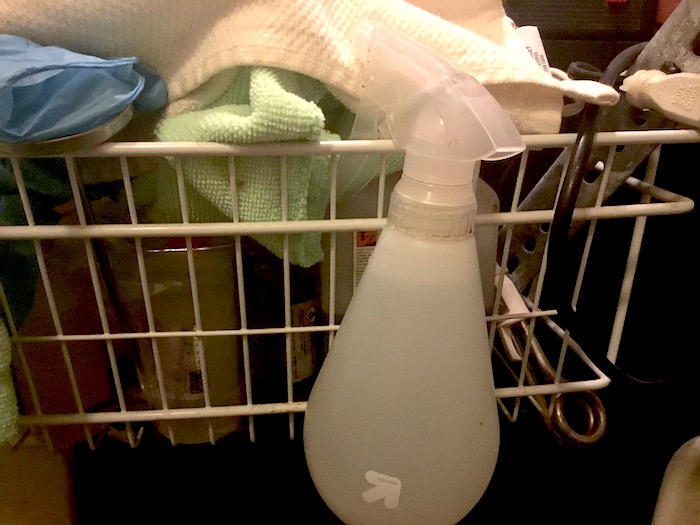
spray bottle has been returned to her place above the wet sink in the processing room of the lab. Used to keep the lavender seeds and seedlings moist. Now, they are big enough to take on full water..
Relative humidity as well as other concepts will apply longer than the specific instance. that’s how firms as well as art schools and studios acquire and extend practice and theory awareness..
early, in fact my first reading about application of registration of masks and subs, included paper tape. when I realized that paper tape included an envelope with adhesive, I was able to revive a method from the 40s when packaging tape was widely available.. this was part of making a ‘cab,’ a carrier to hold mask and original.
The general principle must be combined, must be modified by your local current awareness; what’s available to you locally, currently. photography, all plastic Art as a practice includes a physical component, a manual component.. Our current change to a “text to image ” is part of the sense of many that we lose skills — visual art becomes removed from prior plastic concerns and privileges. The scale of the hand, the privileges granted to those practitioners with that skill diminishes when that skill no longer controls the input to the eye of the receiver..
Conception to perception is a tough path for some. particularly for those stuck forever in perpetual adolescence.

You must be logged in to post a comment.