Two Moons

Sarah Moon.Beth Moon.

First, they aren’t the same person. Not the same work. Not the same method. They do seem, in some ways, to talk to the same meaning.

Sarah Moon(born Marielle Warin; 1941) is a French photographer.Initially a model, she turned to fashion photography in the 1970s. Since 1985, she has concentrated on gallery and film work. https://www.michaelhoppengallery.com/artists/29-sarah-moon/overview/


“By using the longest lasting photographic process, I hope to speak about survival, not only of man and nature’s but to photography’s survival as well. For each print I mix ground platinum and palladium metals, making a tincture that is hand-coated onto heavy watercolor paper and exposed to light. There are many steps involved in creating the final print and these are as important to me as the capturing of the image,” said (Beth) Moon. A platinum print can last for centuries, drawing on the common theme of time and survival, pairing photographic subject and process.

https://bethmoon.com

How do they overlap? Subject choice. Sure, but how many subjects for the camera are there. What isn’t a prior link. How they are treated? Maybe more-so this. The sensation within me. Yep. that has it, even though that is the least transferable to you. My sensation is a limited exchange system to share.

Being able to find work, to find something to point at is one part of making work. More important to the making is being able to describe it. To translate it is a necessary part of transforming. Absorbing work may mean you don’t have to make anything similar. You don’t need to duplicate the work. That is what the Moons are for me. I don’t have to do this work, nor anything like them. These are sufficient. I can even avoid their process notes, notions, goals, ambitions. Two reasons: I don’t want to do them; I don’t have to do them.

Do I have a preference? Yes. I much prefer Sarah Moon to Beth Moon. They way they think is clear, is different to each other. Sarah talks about the experience of making pictures; the world of camera and subject. Beth Moon spends her words on technique of printing; she is about overcoming process limitations. Her world uses the world of things, but done to make something more permanent than them. Beth converts; Sarah conveys.

overnights: First Friday 2023

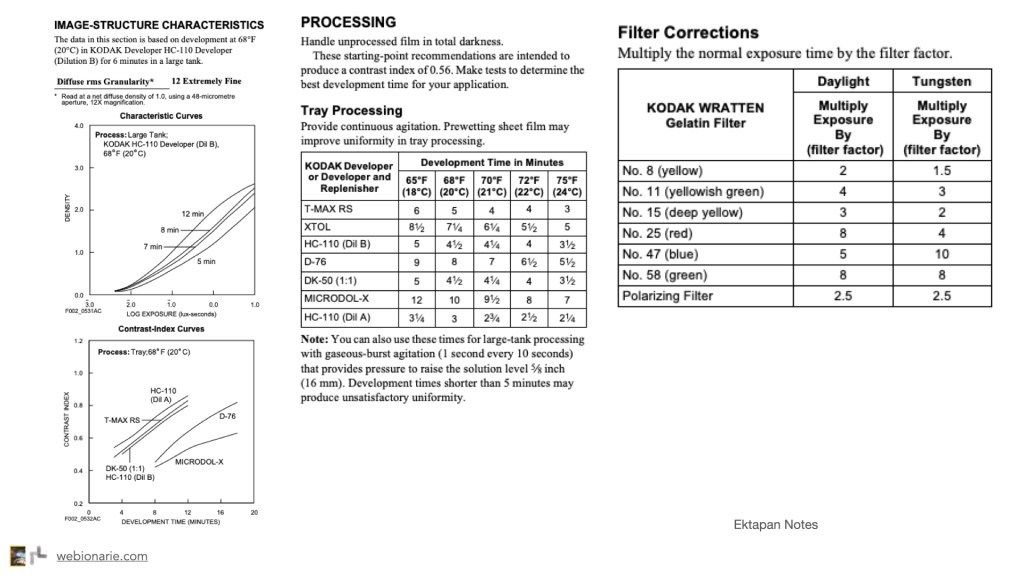
Wratten 85 color temperature conversion filters


voltage converter. voltage regulator

why use a buck converter instead of a simple voltage regulator: heat

“Silver Eye Center for Photography, the Pittsburgh region’s only nonprofit organization dedicated exclusively to presenting contemporary photography, today announced the appointment of Leo Hsu as the organization’s new executive director. “

“Cave drawings made by European hunter-gatherers during the Ice Age were more than just artistic expressions. The 20,000-year-old markings were also a primitive writing system that recorded detailed information about the lives of animals and a kind of lunar calendar, new research shows. “Looking at the total number of marks — either dots or lines — found in sequences across hundreds of caves, the researchers discovered that none of the series contained more than 13 marks, consistent with the 13 lunar months in each year. “


Making Words:

--A carbon print is a photographic print with an image consisting of pigmented gelatin
--Both 'pigment print' and 'Giclée print' terms denote a print made from a digital file directly to paper using an inkjet printer as an output device

--Like carbon prints, the gum bichromate print process is based on the light-sensitive properties of dichromated colloids

--gelatin silver prints, in which the image consists of silver metal particles suspended in a gelatin layer

--Dye-transfer printing shared many characteristics with lithography, in which an etched metal or stone surface was used to print a dye image or text onto paper [eastman museum]