12.31.22

overnights: rhodes. roads scholar

living in extreme climates: skin cancer or frostbite

why glop on photopaper. why not paint
cause i'm a photographer
ready access
difficult to make
materials beyond.
why fight Serra
marks // remind myself of the two galleries 49Geary.

scanson syllable
vale visible

NYC school
drip layers on surface
Barnett newmann was the spokesman. intelligent, articulate.
Rheinhart-- about rejections.
Hans Hoffman:

-----
don't watch it on Youtube. You must get a DVD, but VHS is best.
return to the Beta past

Watching old YT how to of darkroom. Notice she (Nathalie Lopparelli) uses ferricyanide to lighten tones in the print. see: 10:25 for brush/water work

British names: Michael Walden. Robin Bell. Bill Rawlinson. Larry Bartlett. Gene Nocon.
Notions: 12.24.22

Books and questions. Finding and keeping. Some who, how; some now, then.

Continuing from the other day about Ferricyanide bleaching. In searching for one thing, I found this thing: https://apenasimagens.com/en/photo-retouching-local-reduction/

The lesson: ask bigger google searches until you find bigger sites. I found the apenas site looking at Youtube. Rather than spending time on the devoted but declining photrio/largeformat 20th century enthusiasts of all things, check this century; then, read a book. Search using google books, and the internet archive. Much will become clear. Last century is well preserved.

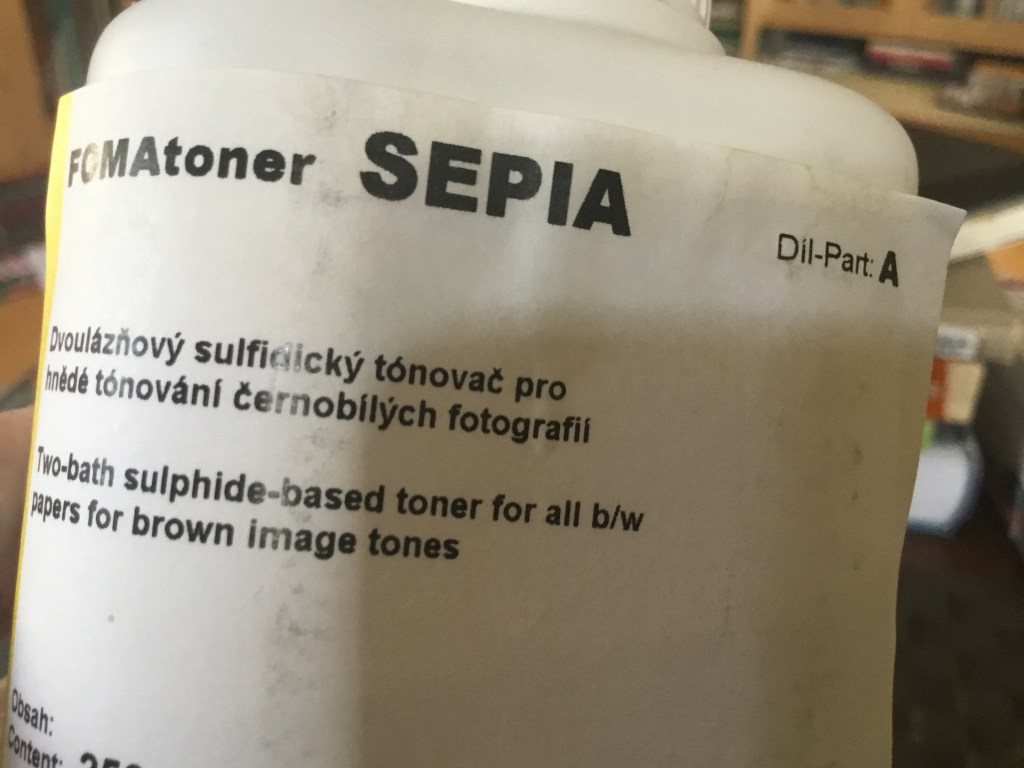
To make the bleach first part you can use: only Part A is needed.


Working on: LED again. 9th street. the StarBergs. Steichen’s only picture.


A book to consider:

Book Building: Dayanita Singh

 Dayanita Singh is a book artist who stretches the imagination of what a book can be, transcending the spaces between publishing and art. Book Building traces the journeys of Singh’s books, from the first, Zakir Hussain (1986), to her latest, Zakir Hussain Maquette (2019), showing the spectrum of her book-building process, from idea to material object and how she inventively circulates them in the art world and beyond.

Finding Others

People have always formed groups. We begin because of that. Life is a result of combination. Civilization is the telling of those gatherings using forms carried by those groups.

How do you find interesting others? Art school is a major place; common ground. A distinction is made between those who went to art school and those who didn’t. Schools are ranked, somewhat, by faculty value in the artworld. Art schools came of age after the general revival of college in the 50s was followed upon by the college student gap of the 60s. This was the culture gap. Between the Greatest Generation and their children the Boomer Generation.

Fear not, the Boomers lost. 1968 broke that bubble.

How do I look for artists? I look at art schools. The web takes me there. I also look at the art world. The web takes me to the gallery schemes. Quite easy to find something like this:

this is after looking at one of these people’s webpage. they listed galleries with their work.

this is, to my eye, a wide range group. That fact makes it a good jump point to current artworld view of photography art.

this isn’t a wide enough age range to be useful for advanced research. You won’t find the edge, not the direction of the photography world. You won’t find that on the established gallery pages.

to find the future, you have to hunt much harder. commerce is about the past, not the future.

commerce hates risk,