
making a photo darkroom workable occupies many a camera crafter. An instructive case began with the notion of building a brighter safe-light using LEDs rather than 20th century filters and hot lamps.
Seems reasonable. Does it work? For BW; for Color?
He began with: “have ample and good-quality light to work with. But it’s also essential for judging print quality and properties such as hue/color balance, toning etc.” along with a picture of generic red light.
Well enough, but where do we end; what did we build? A little bit of research, datasheet reading, collecting housings, layout components, write a bit of code. Mr. Diy has a multiprogram remote control light system that sometimes fogs paper. And the inspection system: he seems pleased. So, maybe you would be too. He missed the goals, other than that it occupied time. Life creeps away in these small projects gone large.
Controlling the project is harder than controlling the lights.
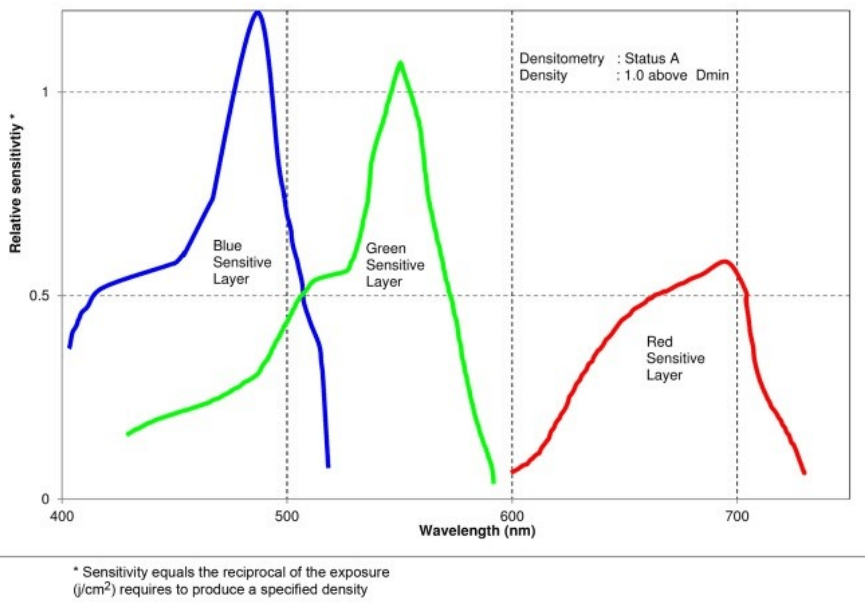
Should you want to learn more about safelights, check with Kodak: https://www.kodak.com/en/motion/page/safelight-filters
“You can use sodium-vapor lamps with a KODAK No. 8
Safelight Filter / dark yellow in safelights providing general
darkroom illumination. The filtered sodium-vapor lamp
provides the best visual efficiency with the least visual effect
on the film.
If you are using a low-wattage tungsten bulb for
task-lighting, filter it with a KODAK 8 Safelight Filter / dark
yellow. You can use amber Light Emitting Diodes (LEDs)
(590 nm peak wavelength) for minimal task or path lighting;
however, do not use them for prolonged or general darkroom
illumination.
Foma has a safelight: https://fomaobchod.cz/potrebyprofotografy/osvetlenitemnekomory/
Ilford has this: https://www.ilfordphoto.com/amfile/file/download/file/605/product/613/
Adox has this: https://www.fotoimpex.com/darkroom/adox-supersafe-220-darkroom-light.html
As for print inspection, I have two needs: the first is over the ‘wet’ tray. Mainly for judgement of density, and rough color. The other is in a dry work area where final judgements are made. In both place I use mixed lights. In no place do I use a clicker. They are switched, or foot peddle actuated. But that’s just my being lazy, too lazy to build a better time-trap.
maybe they should be voice controlled….



You must be logged in to post a comment.