
The hard part is starting from nowhere. Not knowing what comes first is more than a riddle.
Photography is a mechanical process; we use machines to make pictures. Shared by chemical or electronic; actual or synthetic imaging manners — we use something to do something else.
In the days of darkrooms, students had more problems getting their film loaded than almost any other part of craft. Students would ruin film loading it onto reels; even those who were skilled with hand and eye. Loading film is simple, repetitive, and really ‘auditory’ … I listen to the film going onto the reel. Of course, practicing with a ‘dead’ roll is most starting points. Doing this in the light seems to prep you for working in the dark, but when the lights go out, you will falter, at least once or twice.
Make certain you lay out your work space/surface with the items in reach and ready for lights out.
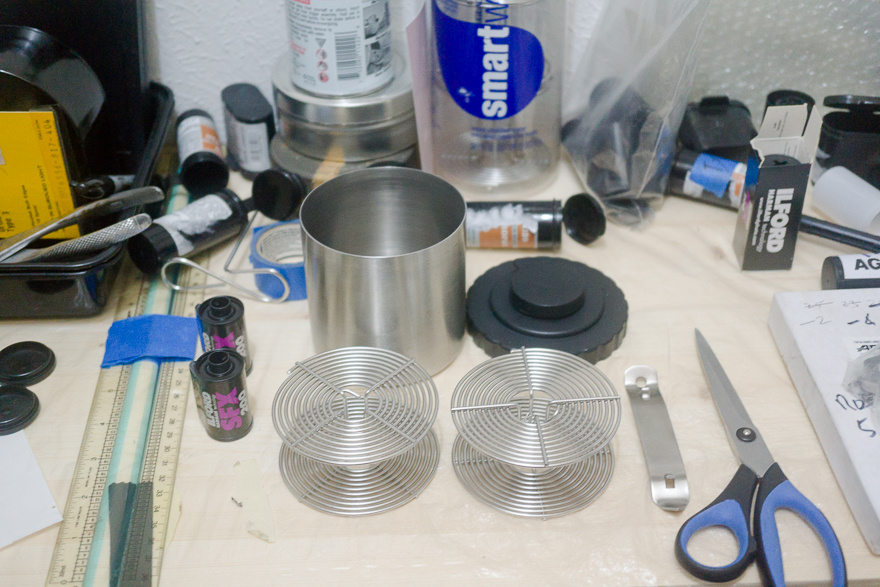
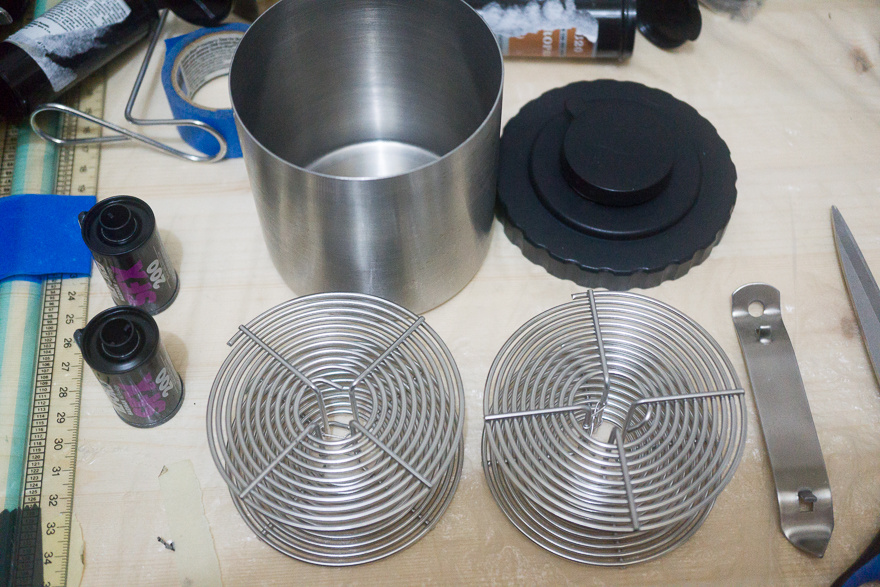
I’ve always preferred metal reels and tanks. Just my first ways. They also work well for color; how I started souping so long ago.
There are other tanks, systems…

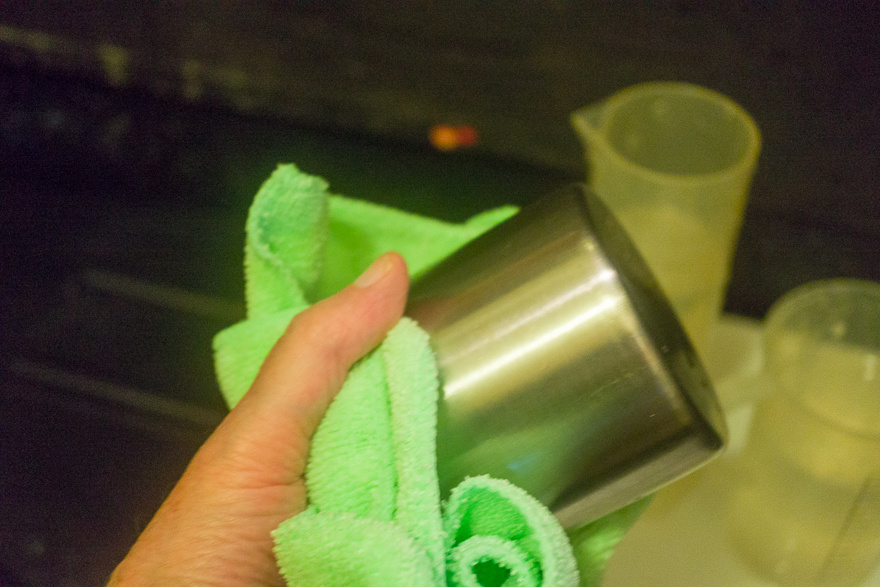
over the years, they’ve come and gone. Daylight processing has always been popular among the smaller labs, and infrequent users. The solo practitioners. Souping more than a dozen rolls a day is impractical using this method. It remains an accurate, functional system for processing film.
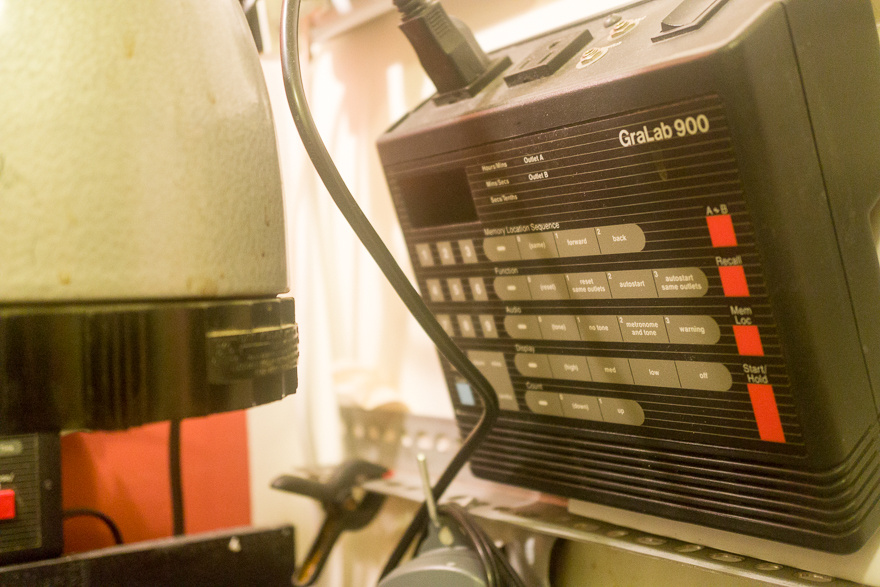
Timers: come in many flavors. My setup has changed over the years. With all sincerity, if I did this occasionally, I’
d probably use a smartphone app. I’d also not buy used that didn’t come with a money back, free return policy.
A simple coincidence, and why Ilford DDX with 400 speed films is convenient as a learning place. Ilford’s Delta 400, Kodak’s T-MAX 400, and Kodak Tri-X 400 all develop at for the same time: 8 minutes @ 68F (20C). Aside from being able to try different emulsions without altering your processing routine, you can put these films through at the same time.
Read the sheet, Luke. I never use the massive dev chart; nor do I ask the online lobby. Get the datasheet for the film, and one for the developer. Read these until they make sense.
If you fear the pencil, you will never learn to draw.
Processing film is a mechanical skill; you will use touch and sound of loading film onto the reels. The feedback of the hand head loop. This sightless task seems to frustrate, even detour some. Some of my best students, even though they could draw, could not load film onto reels. They could load sheet film into holders and hangers, so they loved the view camera, but that didn’t get them far enough into their image goals, their aspirations for adding to the conversation. For a few of them, I’d soup their film. Maybe not a great idea; the better two went on to be writers. One has a couple books, the other worked for TV shows.

You must be logged in to post a comment.