


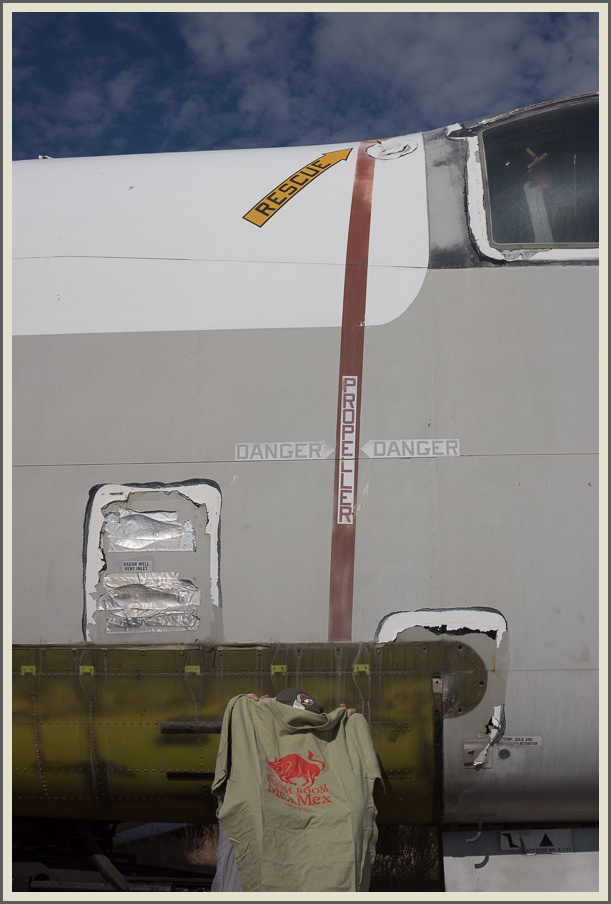


There once was a newcomer to Syracuse. He went to an organic food store for bulk food. In the basement, on the way, was a newly opening facility for photographers. Community Darkrooms. One of the founders was Tom Bryan, who, as it goes, went on. He returned with recipes and a wife. They opened Boom Boom Tex Mex restaurant. Now, that place is just a t-shirt. This one traveled a bit with me. One loop around the wide west
overnights: 5.10.21
masking the action
gaining the future without revealing your immediate intention. how they fit; if they do.

A movie that aims but misses: why does it miss? What if it was two goals? That divided it into a weaker movie.

Lost in Translation, in the Saudi desert.
A Hologram for the King.

basic needs
food, fuck, fun

every pound is a day's supply of food
combine three and you've got the purpose.... a party

thiel with props -- https://youtu.be/esk7W9Jowtc

the first skill
is independence. don't ask about what you can try, test on your own.
first steps, walking overcomes fear before building strength enough to run.

how to gather information. what to get first. trusting others until you trust yourself.

what exercising exercises. why practice what you practice.
fundamentals of what you see.
caution that you learn why the sample

Nuts and Bolts are the simple part of making a machine. If your interest is in flying a plane, avoid the course that begins with measuring threads. If you want to print dye transer, don't start at the nature of light. begin at the beginning.

Poetry isn't a function of the pencil sharpener.
aphorisms are the lens of mind.


[5.10.21]
overnights: 5.3.21
the punctuation contact sheets are our connexion with consciousness steams. visual punctuations. those borders. on our borderline -- where we put our comma. do we have an 'and' the gutter of the book; the space on the wall. — at first i can't throw anything out, then, I throw everything out. Of course, what comes next is regret. Time passes. I do it again. I was making darkroom toys: begin with paper, pencils, xacto. The scraps got stuck on the guide tapes. They became the tool. I had to try them. aipad ago: 2018[5.3.21]

You must be logged in to post a comment.