
you wear a fishing vest
have a beard and belly
use view camera
use spot-meter
use pyro and amidol
make contacts prints
try to find the perfect cloud in idyllic spots


a photo is just a photo
-- plumber at hardware store

optical
-- the ten dollar way of saying enlarger


fat mans glue
-- butt sweat on the toilet seat

the point of the place
 --to preserve the past
even tho the past has passed you by.
a past you’re not even part of
never were.
Category: da net
Making Light
The obvious is overlooked. Our baselines aren’t noticeable. Seems and stitiches.
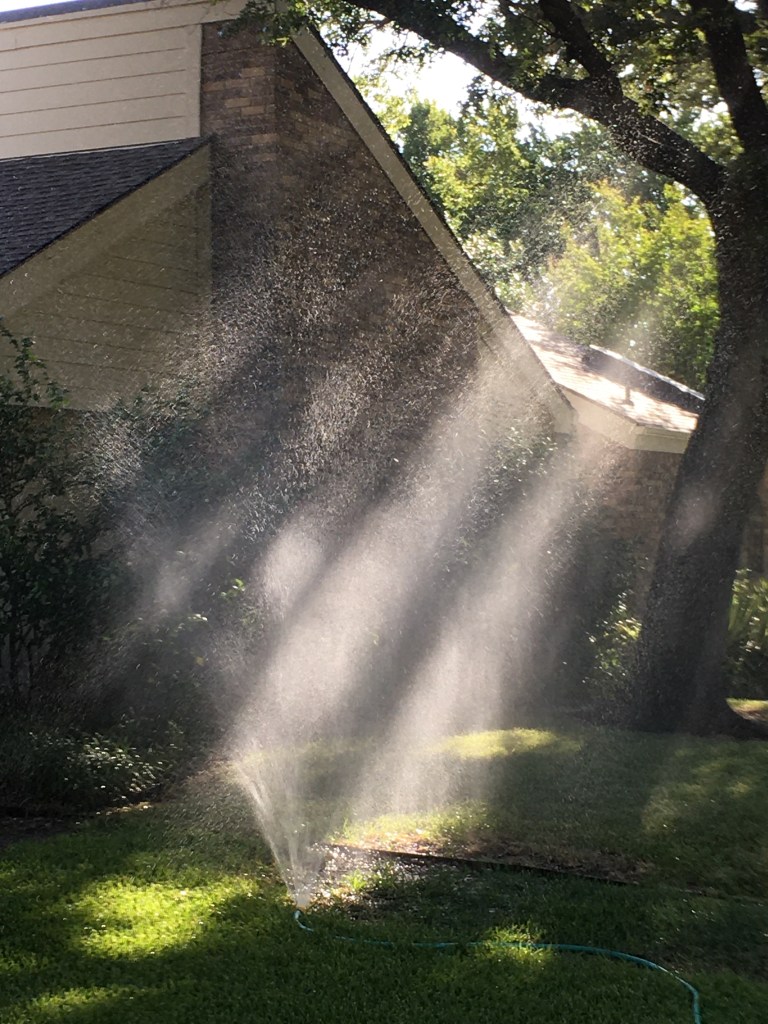
How is it that the most photographed subject among the online film groups is landscape? A term they use without getting to its original meaning. In fact that original meaning is a touchy subject. When everyone photographs the same things, taking on the grandview established by the master — what room remains for their simplistic, simplified, scenic overlook version, but to think in process. Change the process; change your life, or at least keep moving toward the light.
By the light of the moon
they rhyme with spoon
will their prints come soon


“My photographs are all about the light.” — Yes, dear, aren’t they all.
In that vein, they work. Theme is often difficult; tough to understand. Over the course of a decade the personage modified his wording. He now has a ready answer to the questions about his choice of trees. It is a comfortable answer. He wears it often. The two pennies in his pocket are: the light, and the stuff it takes to make a carbon print. Comfortable slippers for retirement stories at the bar.
Losing Photography
What would we lose if school darkrooms closed? A question from early 21st century. Would photography end? What type of knowledge would be lost; why?
At that time we just had ideas of what would happen; however, after 20 years we know what was lost; more, we can see why.
As academic art programs shifted to provide useful current procedures, they began replacing darkroom space with lightroom systems. This was in response to anticipated growth of art practices which have always relied upon industry — as a source of material, and as a destination of graduates.
In 2002, a group of teachers wondered, and worried about the loss of darkrooms along with the knowledge of those processes. It was considered that we would lose the industrial secrets. The industrial lab system would also decline. Would it be useful to record some of that material?
As knowledge domain moved from the weekday world to the weekend hobby layer, we certainly lost information; about process along with details and depth of experiences. What would be forgotten?
Instead, that transition from work-horse to hobby-horse knowledge keepers was used as a banner, actually more a sash for craft badges by the internet forum folk. Could they be counted on to examine or expand claims, keeping the craft knowledge alive, healthy? Not really
It wasn’t forgotten, it was covered over in gossip. The hobbyists are more concerned that they’re losing influence not that knowledge is being lost.
In an effort to shout each other down, they’ve lost the ability to talk.

You must be logged in to post a comment.