
One thing becomes another. Or, nothing comes first. If you can’t do it where you are …. how far from seeing are you?
Ross, Fink, -> Connor[Halsman] -> Pennsylvania/location, distances, differences
my own travels among ideas isn’t a clean map, more like my deskside stack of colored notes made on impulse. Keeping myself involved with some unknown ghost. My linking line above is my reminder of what to do in this post.
I wrote about JJR. Just a notice of her show in Philadelphia. A show that I will not see, yet wanted to remember for some possible future [thing]. She does what I don’t, in an area that I knew.
People. Place. Time. What imaging things, including cameras, share. Beyond “light,” something all visual arts consider, are the subject becoming the object. Much of photography is about people, place; so much so that software programs default to these categories. How much does place mean to a people; how much do people mean to a place. Those interactions always trigger me. As I look at pictures made by other skilled artists, I’m hoping to find some part of that response.
It is common for photographers to think a long journey is needed. Much of the time this is a long journey for more take-out — they can’t find nourishment where they are. What makes them think the food is better at another roadway. Probably because they are midway on a journey; a journey using someone else’s map.
Judith Joy Ross hasn’t travelled a great distance. She lives within easy drive of her birthplace. She is fortunate to have been to MoMA. Szarkowski included her work in New Photography exhibition at MoMA(1985)


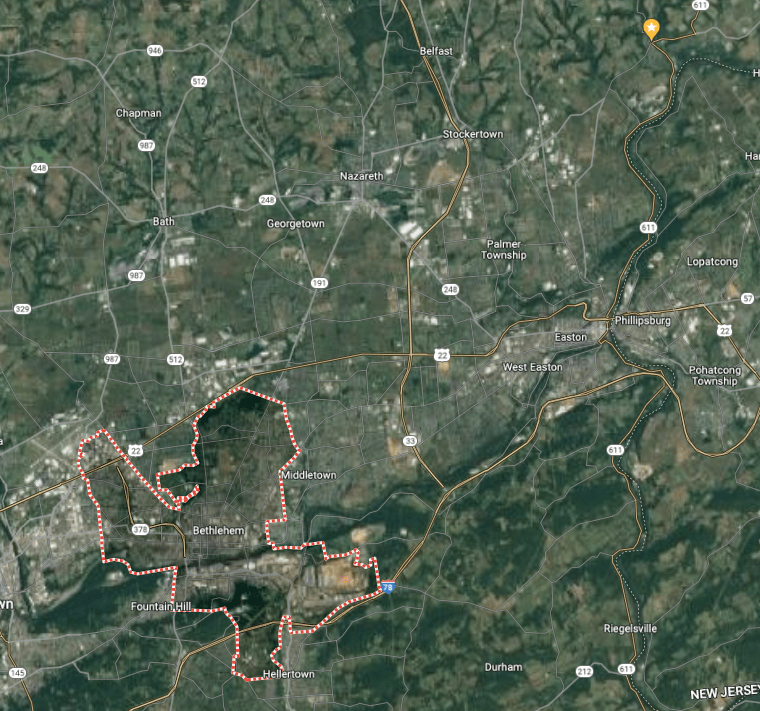
Judith Ross and Larry Fink live within a half-hours drive, in a section of Pennsylvania that changes little. Larry Fink is better known for his Street Work, stuff from a different place; a place that makes distinct time marks upon people. They dress for their part in the culture. Wall street during Vietnam looks the part.
Judith Joy Ross born 1946. Moore College of Art and Design 1964. Masters from Institute of Design 1970. 1984, shows Szarkowski portfolio. In 1985, takes part in New Photography exhibition at MoMA. 1993, the SFMOMA presents personal exhibition of hers.
Looking at the Ross portrait, by Lois Connor, on SFMOMA webpage took me to Connor’s info. Lois Conner received her BFA in photography from the Pratt Institute. At Yale University, where she received her MFA in 1981. She credits Phillippe Halsman, her The New School teacher.
Bringing me to this 1961 Halsman on the “Creation of Photographic Ideas,” six rules:
- the rule of the direct approach
- the rule of the unusual technique
- the rule of the added unusual feature
- the rule of the missing feature
- the rule of compounded features
- the rule of the literal or ideographic method
- In his first rule, Halsman explains that being straightforward and plain creates a strong photograph.
I do take many trips; many that don’t get me to a rest place.
If you live broadly and are curious about it all, you understand what it is about us that draws us together. It’s that kind of picture that I really like to make.
—Larry Fink
It’s such an intense pleasure to photograph strangers because, in that moment, you can see them in such an intimate way. It’s kind of crazy, but I love some of those people even though I have never seen them again.
—Judith Joy Ross

You must be logged in to post a comment.