Making Light

The obvious is overlooked. Our baselines aren’t noticeable. Seems and stitiches.
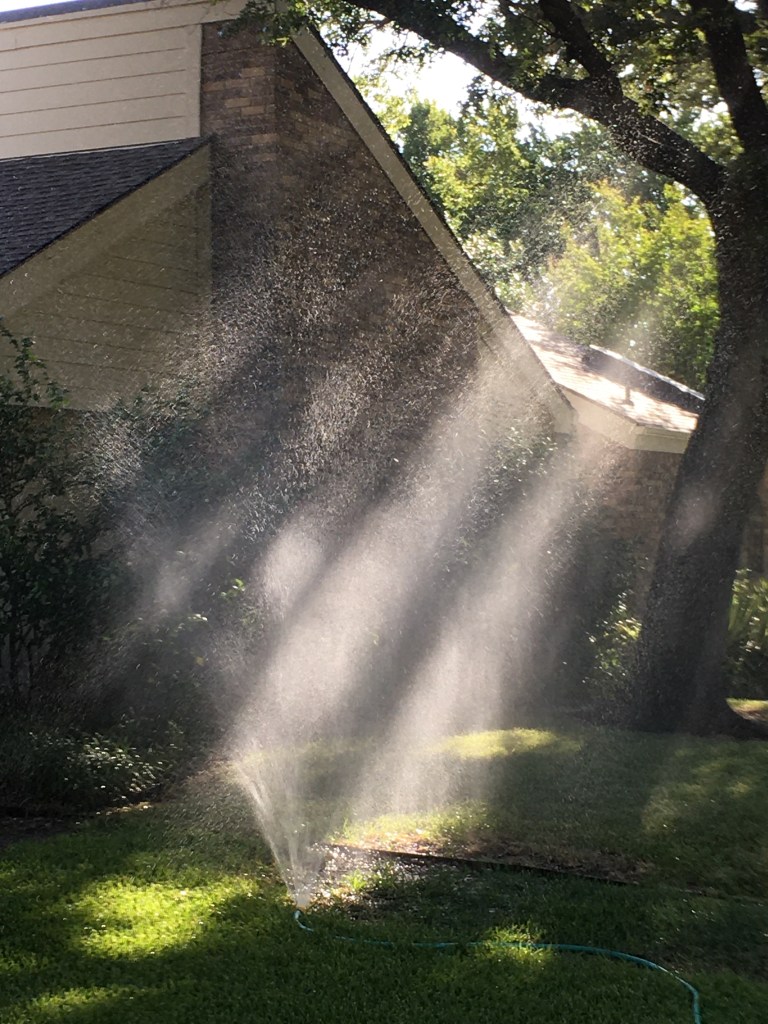
by definition: photography is about the light

How is it that the most photographed subject among the online film groups is landscape? A term they use without getting to its original meaning. In fact that original meaning is a touchy subject. When everyone photographs the same things, taking on the grandview established by the master — what room remains for their simplistic, simplified, scenic overlook version, but to think in process. Change the process; change your life, or at least keep moving toward the light.

By the light of the moon
they rhyme with spoon
will their prints come soon

“My photographs are all about the light.” — Yes, dear, aren’t they all.

In that vein, they work. Theme is often difficult; tough to understand. Over the course of a decade the personage modified his wording. He now has a ready answer to the questions about his choice of trees. It is a comfortable answer. He wears it often. The two pennies in his pocket are: the light, and the stuff it takes to make a carbon print. Comfortable slippers for retirement stories at the bar.

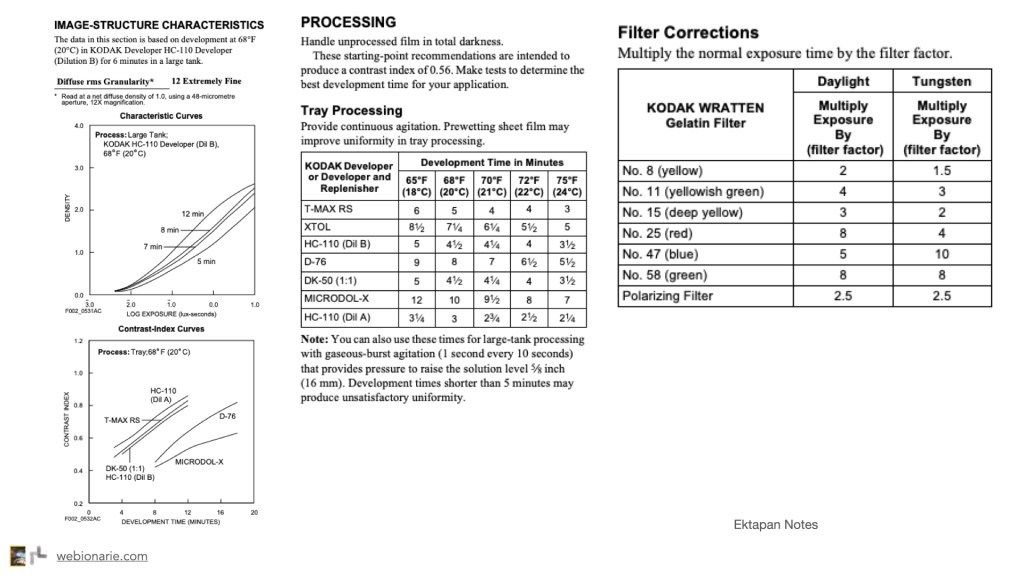
dye transfer: one film process

Under the useless information heading comes this secret from the past. Ektapan film could be used as the (almost) only film needed to make dye transfer (imbibition) prints. It could be used to make masks, separations, and even the matrix itself; that last is the big secret.

Full disclosure: it couldn’t do all those things better than the specialized films used for masks, seps, and mats; it could serve well, well enough to be a simple solution for workshops and weekend workers to acquire the foundations of making dye transfer prints. In school, I would take students through in several circuits of the process, each pass around we would add more control, increasing the understanding of choices to make — how the image was made.

Ektapan could also be used as a collotype film. It was a nice emulsion; not just for studio photographers shooting color and B&W negatives of the same thing.

Notice the DK-50, HC-110, & T-Max RS lines.

you can also see the similarity of DK50 & HC110. dilution makes them the same!

I used the Dilution B for Seps; Dilution F for masks.

Exposing and developing (tanning) Ektapan as a mat wasn’t the same as Kodak Matrix film. Two reasons, Ektapan is panchromatic, so required total darkness for working. Kodak Tanning Developer didn’t work well enough; contrast was too low, or else way to high. So we relied upon tanning bleach method.

Details won’t help you now. I offer this to you as a point of reference; as something you can consider as an alternative way of recovering a process. Try what is at hand. Don’t wait for the perfect something from someone else.

More, another time, about origin stories. Getting beyond the now state.
