John Chiara: Process

American. b. 1971, in San Francisco, California

 It’s rare for a photographer to push the technical edge of the medium. And rarer still to reanimate corners of the world seen and forgotten by hundreds of thousands of eyes every day. — Ian Bourland

After dedicating an extended period in 1995 to making contact prints from his 2-1/4″ x 2-1/4 inch negatives, John Chiara decided that too much information was lost in the darkroom enlargement process. Over the next six years he developed his own equipment and processes to make first-generation unique photographs without using film. 

Chiara developed a process that is part photography, part sculpture, and part event. It is an undertaking requiring invention in his tools and patience in using them. [from his bio]


Process isn’t the same as procedure. Mr. Chiara has extended his process to such an extent that it has become a featured point in discussions around his imaging.

Large. Tonal inversion. Color inversion. Put paper in the wrong place. Expose paper to the wrong light-type. Use the much seen, the much ignored. Take as much time as needed. These are the procedures that he uses.

It is easy to overlook these works. Easier for those of us who can readily understand the means and methods, the mode of this process. We shouldn’t. We should take his work on his terms, trying to get to where he has gotten — not in recognition of his work, but so we can use it to open our own work… or, for some, renew our efforts.

Find your process within your procedure.
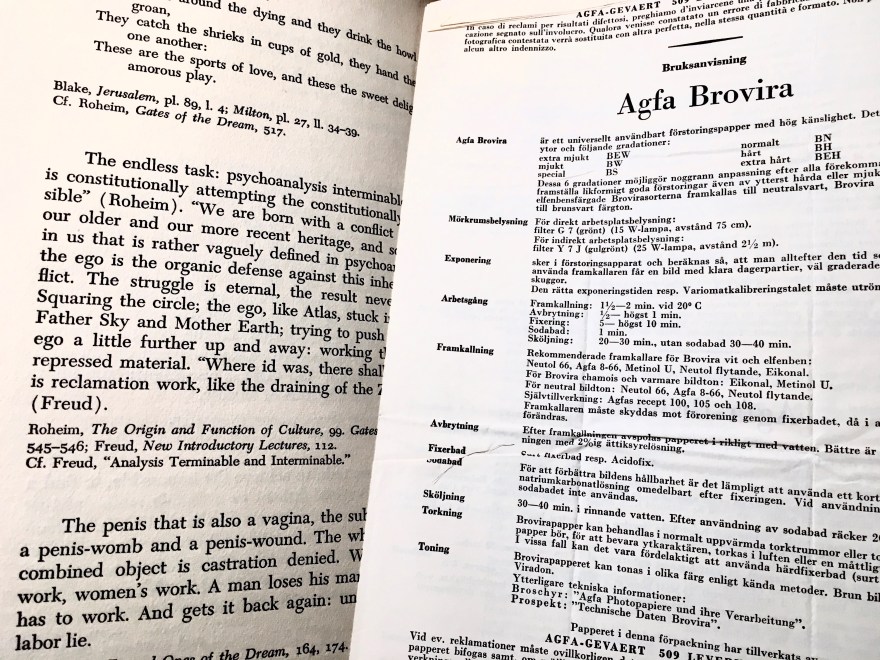
The Endless Function

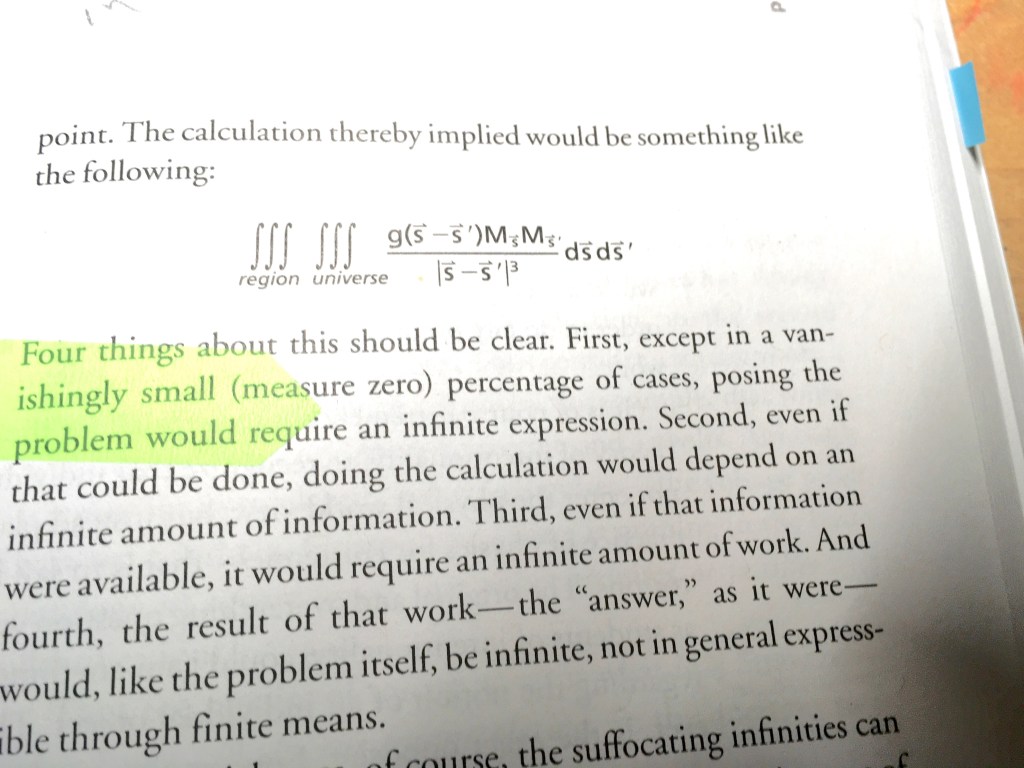
Because of the structure of a recent book, I went to my shelves for similarly formed texts; texts using extensive quotations within the main text. That was the method I used during my teaching at EXS. It seemed very capable of transfering more information, and types of source material to students in an art school. Studio based education needs wide examples

Reading Loves Body, because of its structure, I found a book-marker from sometime ago.

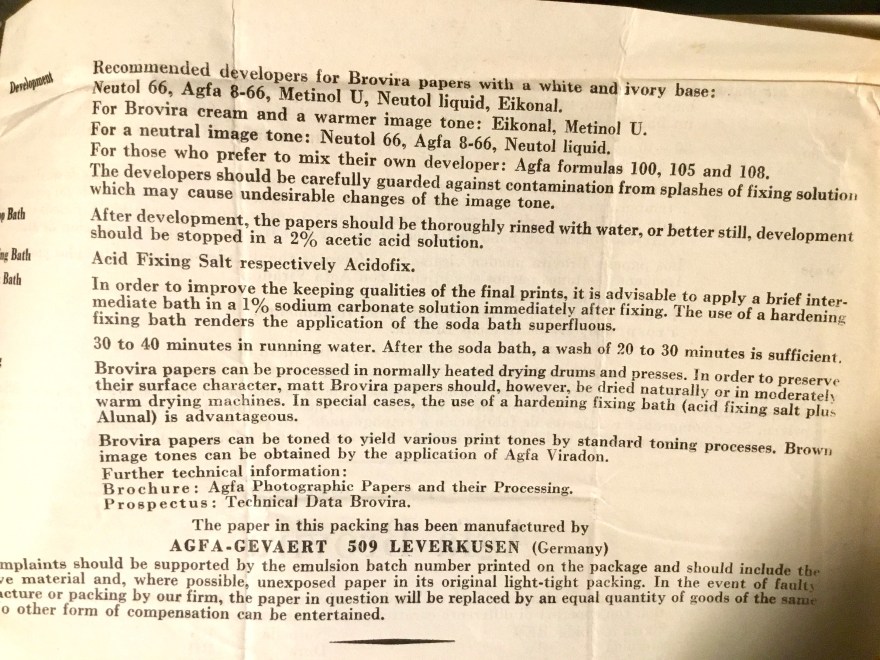
In discovering the Brovira techsheet, I resurrected it, as it returned me, momentarily, to 1970.

the English form of the Brovira instructions.

in seeking the Object we find that math is a simple answer that doesn’t end the question.

infinite questions mean infinite time

even math is an endless task.

Fortunately, paper is finished souping in only minutes.

Influencers. Naming. Remembering

can you name your influences. How about those you’ve influenced? something all teachers consider.

Mostly, we don’t make a difference that we ever realize. The spoken word ends as it begins.

Claims on forums are a source of ongoing puzzlement. Photography is a small world, isolated but not insulated. The web is just a right-click away. Pride is a terrible memory aide.

Most teachers don’t remember their students well — students are expected to remember some of their teachers. Typically, they remember those who guided well, or who they needed for a career boost. If the teacher had a name, was a member of the canon, they are always listed on the memory page.

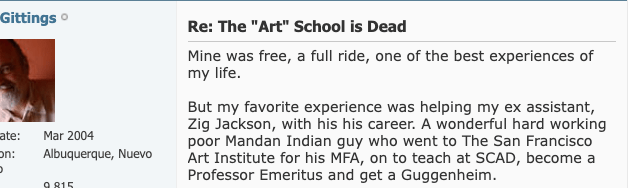
What of those students who don’t list you on their extensive friend circle. I wonder more about a teacher citing their student as a badge in their influence-quest. It happens on one forum.

Like this:

Zig Jackson is cited…

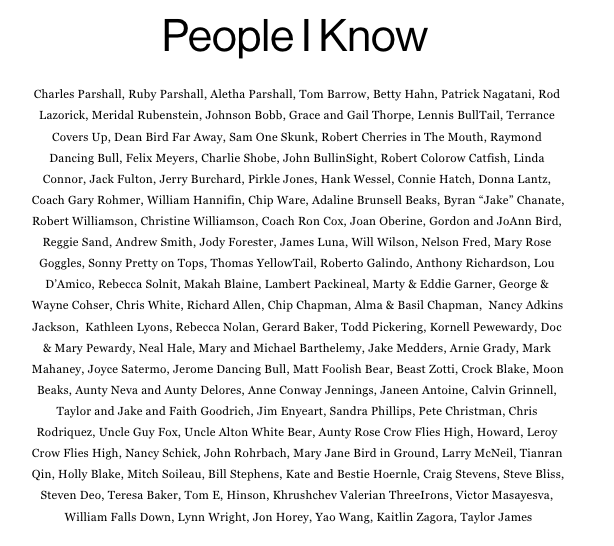
Zig Jackson provides a page of people.

Many…. no Gittings. Not even a Kirk.

This doesn’t mean as much as other types of errors made in that forum.

Overlaps occur. Gaps are certain. I graduated from SFAI. Was a TA and knew many of those Mr. Jackson cites in:

.. none of those people influenced my work. I knew them when they had just begun their own career, leaving SFAI (MFA) 73. I left several unsigned papers on making dye-transfer prints. They found their way into other peoples work. None of my students ever looked to me, other than at times they needed a job, or a reference.

as one of my bigger influencers says: and so it goes.

Most of my key, ongoing, recurring influences sit on shelves in my library. I will never thank most of them; ever.